The Brahma Chicken: An Overview
Often referred to as the "King of Chickens," the Brahma is a massive heritage breed celebrated for its impressive stature, gentle temperament, and hardiness. Originally the primary meat bird of the United States, it remains a favorite for backyard enthusiasts today.
History and Origins
The Brahma's history is a blend of international influences. While its name is derived from the Brahmaputra region of India (where they were known as "Gray Chittagongs"), the breed as we know it was largely developed in the United States during the mid-19th century.
- Ancestry: The breed is believed to be a cross between "Shanghai" birds (ancestors of the Cochin) and the Malay-type birds from India.
- Naming: Initially known by various names like "Brahma Pootras," the name was officially shortened to "Brahma" following a meeting of poultry judges in Boston in 1852.
- Royal Notoriety: The breed gained international fame in 1852 when George Burnham sent nine "Gray Shanghaes" as a gift to Queen Victoria of England.
Quick Facts
| Characteristic | Details |
|---|---|
| Origin | United States (developed from Chinese and Indian stock) |
| Temperament | Docile, friendly, and calm |
| Egg Color | Large Brown |
| Comb Type | Pea Comb (resistant to frostbite) |
| Primary Use | Ornamental, Egg Production, and Meat |
Physical Characteristics
Brahmas are recognized by their massive appearance and heavy feathering. They possess a "beetle brow," where the skull hangs slightly over the eyes, and feathers that extend down their shanks to their toes.
Size and Weight
Standard Brahmas are among the largest chickens in the world. Historically, some males reached weights of up to 18 lbs (8 kg), though modern standards are more modest:
- Roosters: Approximately 11–12 lbs (5.5 kg)
- Hens: Approximately 9–10 lbs (4.5 kg)
Recognized Varieties
The American Standard of Perfection recognizes three main color patterns:
- Light: A white body contrasted with black hackles, tail, and wing tips.
- Dark: Notable for "penciling" patterns. The male and female differ significantly; males have black breasts, while females exhibit a silvery-gray penciled coloration.
- Buff: Features the same black accents as the Light variety but with a rich golden-buff base color.
Care and Management
Due to their unique size and feathering, Brahmas require specific considerations for their well-being:
- Cold Hardiness: Their dense plumage and small pea combs make them excellent for winter climates.
- Housing: Because of their weight, roosts should be kept low to the ground to prevent leg injuries when the birds jump down.
- Hygiene: It is vital to keep their environment dry. Mud and moisture can accumulate in their foot feathers, leading to infections or discomfort.
- Space: Given their colossal size, they require more coop and run space than smaller breeds to move comfortably.
Productivity
While modern breeding has focused more on aesthetics, Brahmas remain reliable producers. They are known as excellent winter layers, providing 150–200 eggs per year during the months when many other breeds stop laying. They are also known for being "broody," meaning they are often willing to sit on and hatch eggs.
Dark Brahmas
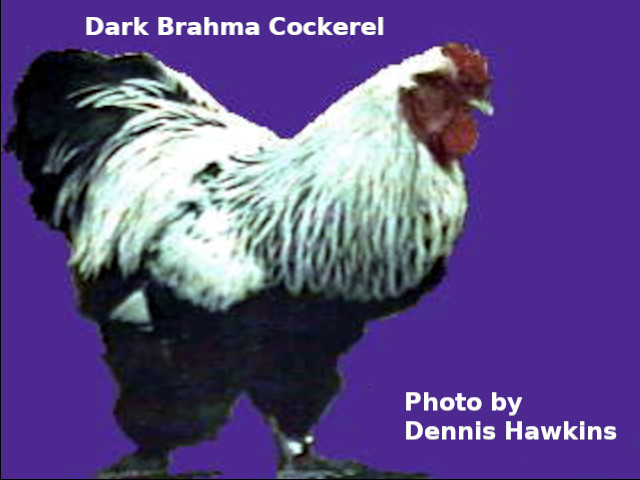
Dark Brahma Cockerel
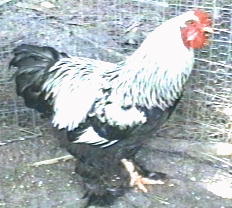
Dark Brahma Cock
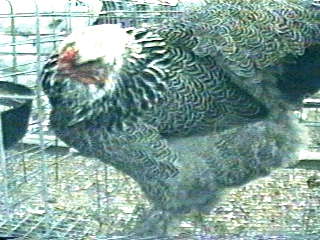
Dark Brahma Pullet
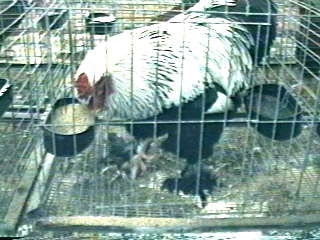
Dark Brahma Cock
Light Brahmas
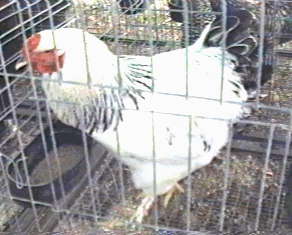
Light Brahma Cockerel
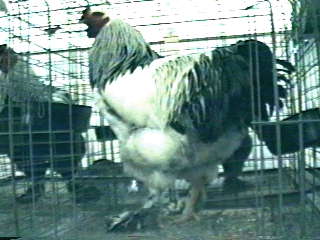
Light Brahma Cockerel
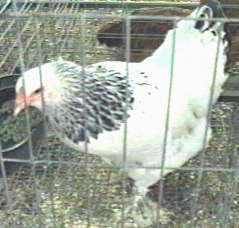
Light Brahma Pullet
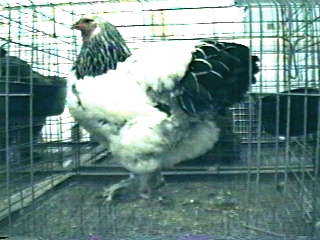
Light Brahma Pullet
Other Brahmas
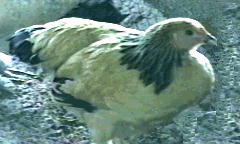
Buff Brahma Pullet