Cochins - The Original Big Bird
By Lee Salmon and Dennis Hawkins
The Cochin is a massive, heavily feathered heritage breed renowned for its ornamental beauty and exceptionally gentle nature. Originally known as the "Chinese Shanghai Fowl" or "Cochin China," this breed triggered a revolution in poultry breeding that continues to influence the hobby today.
History and Origins
The Cochin originated in the Shanghai district of China. In the 1840s and 1850s, these large, feather-legged birds were exported to England and North America, with the first recorded imports arriving in 1845.
- The "Cochin Craze": Their arrival sparked "Hen Fever"—a poultry "gold rush." Rumors suggested they could lay 2-3 eggs in a single a day and that their meat was the finest in the world. In reality, a Cochin hen is lucky to lay that many eggs in a week and their meat is not that remarkable compared to other chickens. Nevertheless, the striking appearance of the birds led to a massive surge in Western poultry breeding interest.
- Name Evolution: Originally called "Shanghai" birds, the name transitioned to "Cochin-China" before finally being shortened to "Cochin".
- Standardization:
- America: Recognized by the American Poultry Association (APA) in 1874. The original recognized colors were White, Partridge, Buff, and Black.
- Expanded Varieties: Silver-Laced, Golden-Laced, Blue, and Brown were added in 1965, followed by Barred in 1982.
Physical Characteristics
Cochins are defined by their profuse, soft plumage and "fluffy" silhouette, which makes them appear much larger than their actual weight.
- Distinctive Plumage: They possess an abundance of down fiber in the under-fluff. The feathers extend all the way down the shanks to the outer and middle toes.
- The "Cushion": Females develop a prominent puff of feathers at the base of the tail, resembling a "bun" hair style. A lack of this cushion or close-fitting plumage is considered a serious defect in exhibition.
- Size: They are massive birds; standard hens weigh approximately 8.5 lbs and roosters approximately 11 lbs.
- Physical Traits: They have yellow skin and a medium-sized single comb set firmly on the head.
- Bantams: A smaller "Bantam" variety exists, which is particularly popular as a pet for children due to its manageable size and ease of taming.
Temperament and Utility
While originally rumored to be high-production birds, Cochins are primarily kept for exhibition, ornament, and companionship.
- Temperament: Exceptionally docile, friendly, and calm. They are often described as "lap chickens" and make excellent pets for beginners and families.
- Egg Production: They are moderate layers, producing 110–180 medium-to-large tinted brown eggs per year. Notably, they are excellent winter layers.
- Broodiness: Cochins are famous for being "naturally broody." They are legendary sitters and attentive mothers, often used to hatch eggs for other breeds, including turkeys and ducks.
- Meat Quality: Not ideal for commercial production. The meat can be coarse and dark. However, capons slaughtered at 12–16 months provide a large, desirable table bird due to slow muscle development.
Care and Health Considerations
The Cochin’s unique feathering requires specific management to keep the birds healthy and comfortable.
- Climate Needs: They are highly cold-hardy but susceptible to heat exhaustion due to their heavy "coats." Shade and cooling measures are vital in summer.
- Maintenance: Their feathered legs must be kept in dry conditions. Wet or muddy environments can cause "mud balls" to form on the feathers, leading to broken feathers, skin issues, or frozen feet in winter.
- Metabolism & Diet: They have a slow metabolism and an energy-intensive plumage. They are prone to obesity, so their diet must be managed carefully to prevent health complications.
- Lifespan: With proper care, they generally live 8–10 years.
Varieties and Classification
Cochins belong to the Asiatic Class of chickens. Several other modern breeds have been derived from Cochin bloodlines.
| Category | Recognized Color Varieties |
|---|---|
| Original (1874) | Buff, Partridge, White, Black |
| Added Later | Silver-Laced, Golden-Laced, Blue, Brown, Barred |
| Exhibition Disqualifications: | Judges look for specific faults, including "Vulture hocks" (stiff feathers protruding from the hock), bare middle toes, or shanks that are not feathered down the outer sides. |
Conclusion
The Cochin remains a "center of attraction" at poultry shows. While they may not be the most efficient choice for high-volume egg or meat production, their charming disposition, historical significance, and "truly awesome" physical presence make them a favorite for poultry enthusiasts and backyard keepers alike.
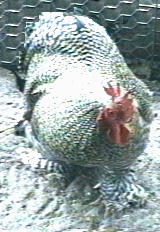
Barred Cochin Bantam Cock
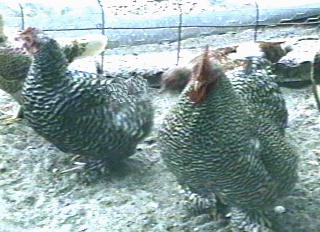
Barred Cochin Pair
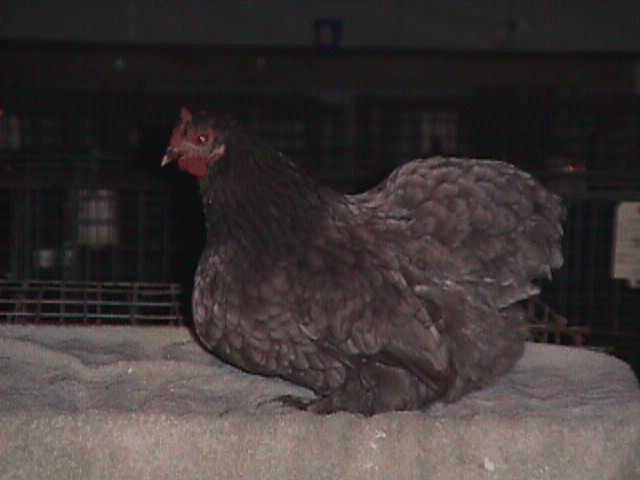
Blue Cochin Pullet
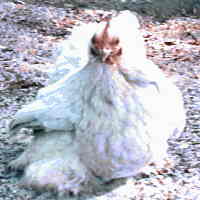
Blue Splash Cochin Bantam Hen
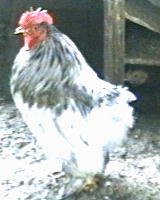
Blue Splash Cochin Cock
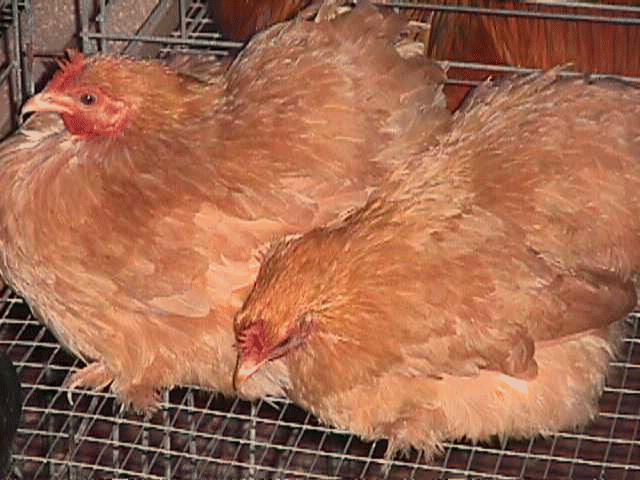
Buff Cochin Pullets
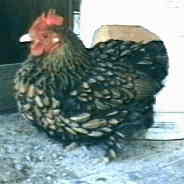
Golden Laced Cochin Bantam Hen
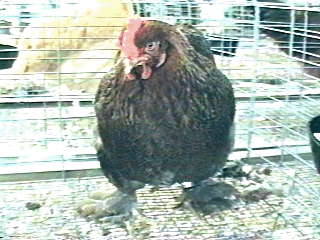
Partridge Cochin Bantam Hen
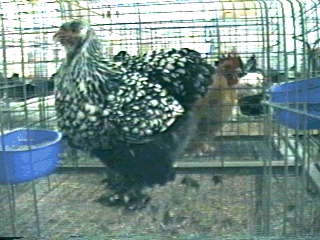
Silver Laced Cochin Pullet
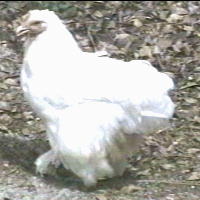
White Cochin Hen
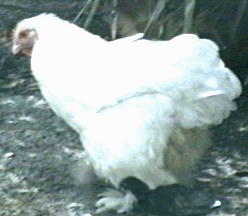
White Cochin Hen with Black Araucana Chick
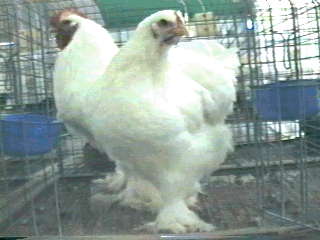
White Cochin Pair