Polish: The Chicken With an Afro
The Polish chicken is one of the most recognizable and adored breeds in the poultry world. Often described as the "showgirls" of the coop, these birds are famous for their dramatic, oversized crests and eccentric personalities. While they may require a bit more maintenance than your average farm bird, they offer a unique blend of beauty, charm, and gentle companionship.
History and Origins
The exact history of the Polish chicken remains a mystery, though they have been documented in Europe since at least the 1600s.
- Theories of Origin: Some historians believe ancestors of the breed were brought to Central and Eastern Europe by Asian Mongols during the Middle Ages. Others suggest they originated in Spain and were transported to the Netherlands during the Spanish occupation of the lowlands in the late 16th century.
- Dutch Influence: Regardless of their starting point, Dutch poultry fanciers of the 18th century are credited with refining the breed’s color patterns and developing the iconic large crests we see today.
- Etymology: The name "Polish" is subject to debate. It may refer to the resemblance of their crests to the feathered hats worn by the Polish military. Alternatively, it may stem from the Middle Dutch word pol, meaning "head," referring to the bird's unique dome-shaped skull.
- Arrival in America: The breed reached the United States between 1830 and 1840. By 1850, they were widespread, though their popularity as production birds declined once the Leghorn was introduced.
Physical Characteristics
The most striking feature of the Polish chicken is the crest, which is supported by a bony prominence on the skull. In hens, this appears as a tidy "pom-pom," while roosters sport a more wild, mop-like shock of feathers.
| Feature | Description |
|---|---|
| Comb | Small, bright red, V-shaped (often hidden by the crest). |
| Earlobes | Small and white. |
| Wattles | Bright red (may be hidden in bearded varieties). |
| Legs & Feet | Clean (unfeathered), gray/slate blue shanks with four toes. |
| Skin Color | White. |
| Nostrils | Notably large. |
Standard Weights
- Cock: About 6 lbs
- Hen: About 4.5–5 lbs
Varieties and Colors
Polish chickens are available in both Bearded and Non-Bearded types. Bearded varieties feature additional feathers on their faces that can completely obscure their wattles.
Recognized Color Varieties include:
- White Crested Black: A black body with a contrasting white crest.
- White Crested Blue: A blue-grey body with a white crest.
- Golden Laced: Rich golden feathers with black lacing.
- Silver Laced: Silvery-white feathers with black lacing.
- Buff Laced: A rare variety featuring golden-buff feathers laced in creamy white.
- Pure White: Solid white body including the crest.
- Black Crested White: Solid white body with a black crest.
Temperament and Behavior
Polish chickens are known for being calm, friendly, and curious. They are often described as "lap pets" because of their docile nature.
However, their magnificent crests come with a downside: restricted vision. Because they cannot always see what is approaching, they are easily startled and can be "flighty" or skittish. They are non-aggressive and are frequently bullied by more dominant breeds, so they should be housed with other gentle birds.
Egg Production
While primarily kept as ornamental or show birds today, Polish chickens are decent, consistent layers.
- Egg Color: Bright white.
- Egg Size: Small to medium.
- Annual Yield: Approximately 150–200 eggs per year (3–4 per week).
- Broodiness: They are "non-sitters," meaning they rarely go broody or attempt to hatch their own eggs.
Special Care and Health
Because of their unique anatomy, Polish chickens require more "TLC" than hardier breeds.
- Vision and Safety: Trimming feathers around the eyes can help improve visibility and reduce nervousness. Because of their limited sight, they are highly vulnerable to aerial predators.
- Weather Concerns: They prefer dry, warm climates. In winter, their crests can trap moisture or snow, which may freeze and cause illness or frostbite. A dry, well-ventilated coop is essential.
- Grooming: Crests should be regularly checked for lice and mites, as the dense feathers provide a hiding spot for pests.
- Neurological Sensitivity: The prominent dome on their skull makes them sensitive to head injuries. They can also be prone to "water on the brain" (neurological issues caused by infection in the cranial cavity).
- Lifespan: With proper protection and care, they typically live 5 to 8 years.
Pro Tip: When approaching a Polish chicken, it is best to speak or whistle so they know you are coming. This prevents them from being startled and flying away in a panic.
The Polish chicken is a recognizable breed known for its dramatic crests and gentle temperament, but they require special care due to their restricted vision and sensitivity. Despite these needs, they can be consistent egg layers and offer charming companionship to their owners.
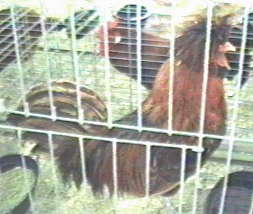
Golden Polish Cockerel
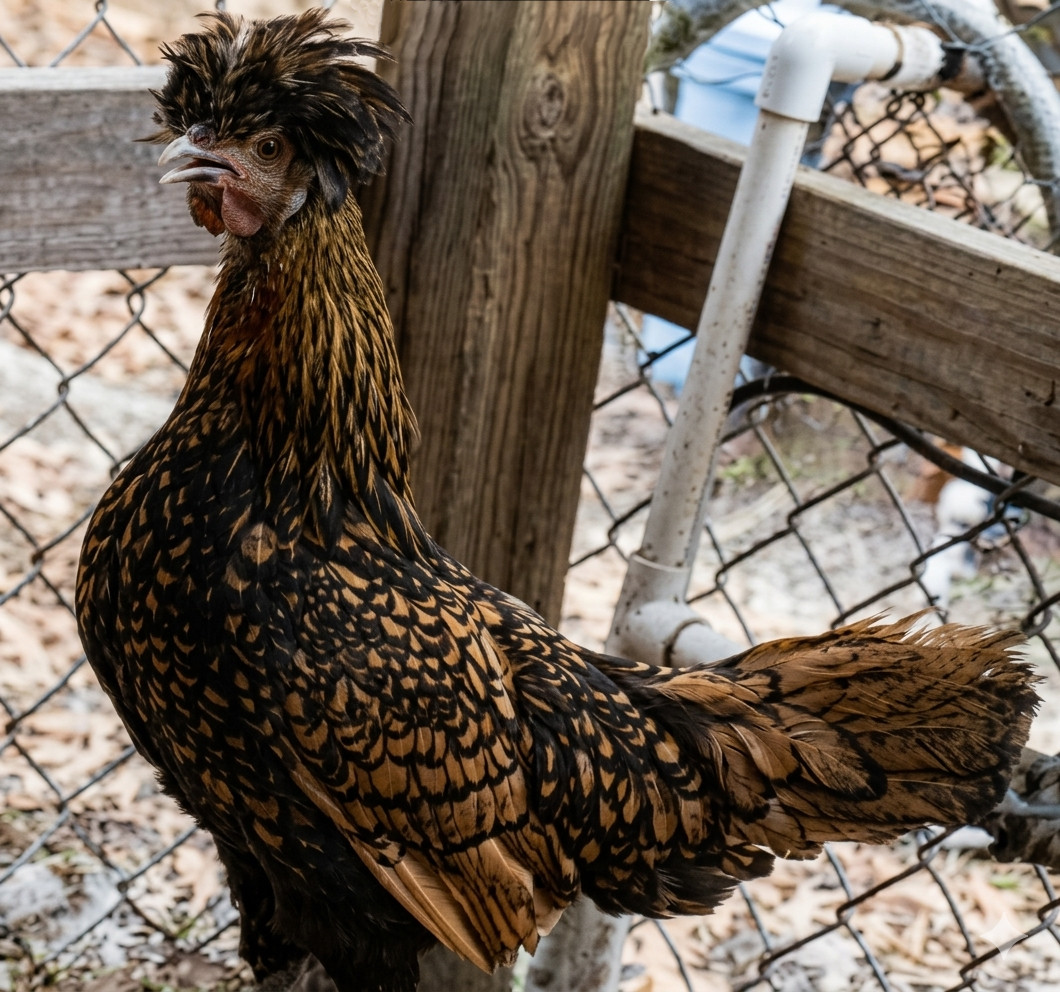
Gold Laced Polish Hen
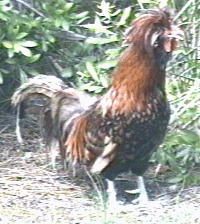
Gold Laced Polish Cock
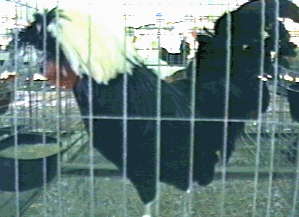
White Crested Black Polish Cockerel
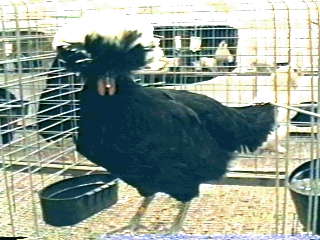
White Crested Black Polish Hen
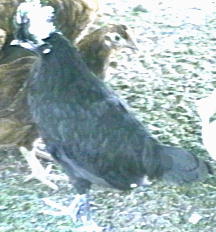
White Crested Black Polish Hen
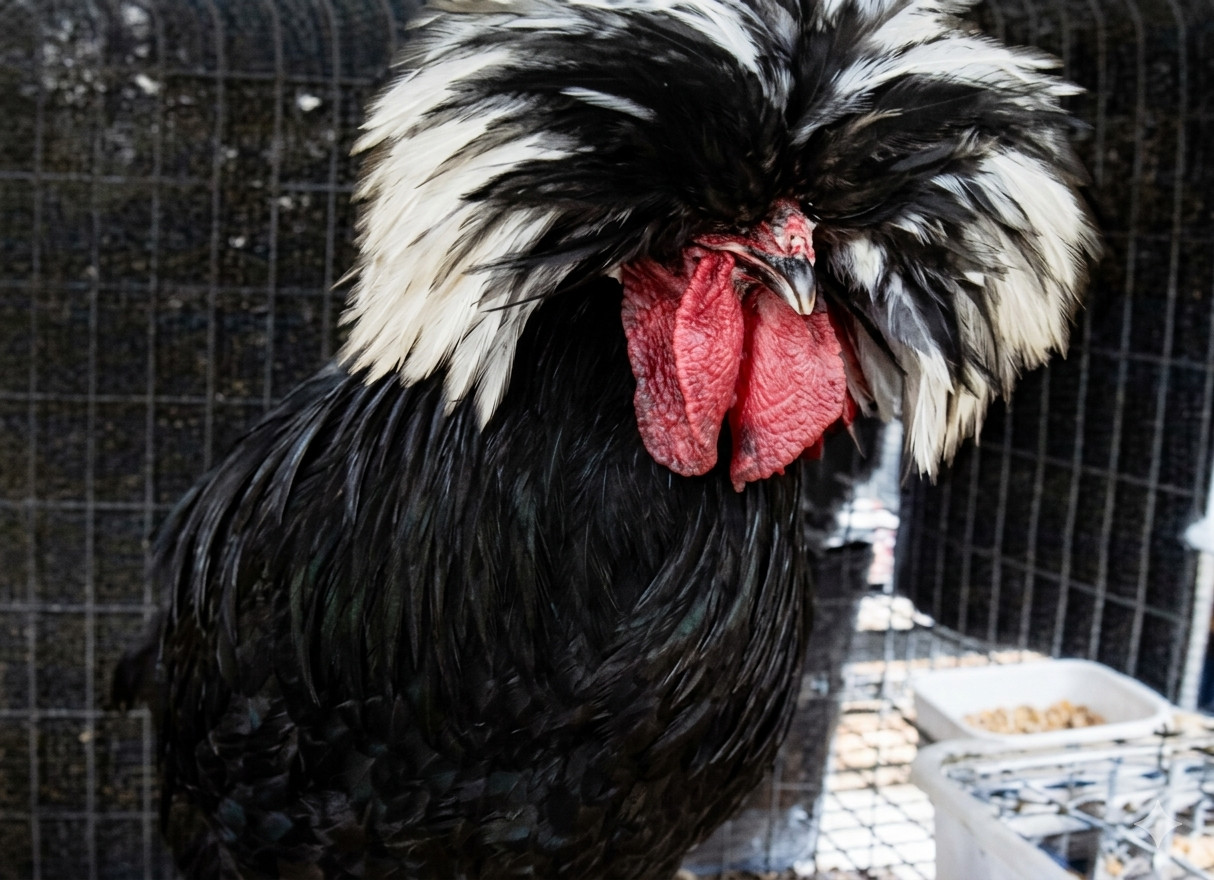
White Crested Black Polish Cock
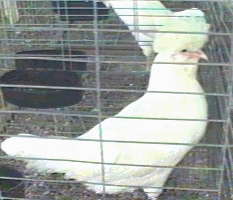
White Polish Pullet
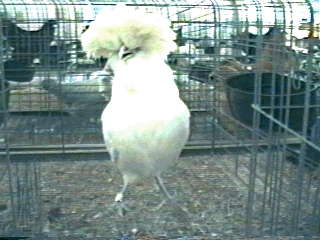
White Polish Pullet
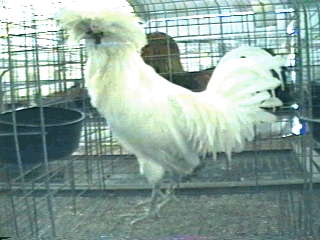
White Polish Cockerel
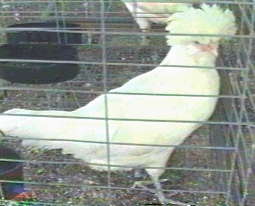
White Polish Pullet
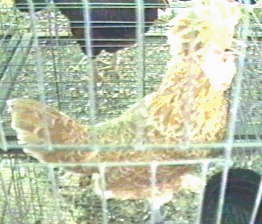
Buff Laced Polish Hen
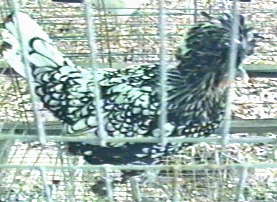
Silver Laced Polish Pullet