Cornish: The "Hercules" Chicken
The Cornish chicken, previously known as the Indian Game, is a powerhouse of the poultry world. Developed in the early 19th century in Cornwall and Devon, England, this breed was originally intended for the cockfighting pits. While it failed as a fighter, it revolutionized the global meat industry, earning a reputation as the ultimate "Hercules" of chickens due to its massive, muscular build.
History
- Genesis The breed was created around 1820 by Sir Walter Gilbert, who crossed the Red Aseel (an Indian breed) with the Black Breasted Red Game. Later, influences from the Malay and Sumatra breeds were likely added.
- Name Changes: Originally called the "Indian Game," the American Poultry Association (APA) accepted the breed in 1893. In 1910, the name was officially changed to "Cornish" to reflect its true English origins and distance the breed from the stigma of cockfighting.
- The Industry Backbone: While the purebred Cornish is a heritage bird, it is the ancestor of the modern Cornish Cross broiler. By crossing White Cornish with White Plymouth Rocks, the industry created the fast-growing birds that dominate modern meat production today.
Physical Appearance
The Cornish is unmistakable for its "heart-shaped" body and exceptionally wide stance.
- Sturdy Build: They have very broad skulls, short necks, and thick, short shanks. Their legs are set wide apart to support a deep, massive breast.
- Close Feathering: Unlike fluffy breeds, Cornish feathers are short, narrow, and hard-textured with no down. This makes them much heavier than they look; they are dense and muscular.
- Color Varieties:
- Dark: Admitted to the APA Standard in 1893, this is the original variety, featuring iridescent beetle-green and brown patterns.
- White: Admitted in 1898, this was Developed in the US and widely used for commercial crossing.
- White-Laced Red: Admitted in 1909, this variety has black and white laced feathers.
- Buff: Admitted in 1938, this is a lighter version of the Dark Cornish.
- Size: These are extra-large birds. Standard males weigh approximately 10–10.5 lbs, while females weigh around 8 lbs.
Temperament and Behavior
Owing to their "Game" heritage, the Cornish has a distinct personality that requires experienced handling.
- Assertive Nature: They are active and often aggressive, usually demanding the top spot in the pecking order. They are not recommended for mixed flocks with docile breeds.
- Rooster Behavior: Cornish roosters can be quite territorial and aggressive toward other males and sometimes humans. However, this makes them vigilant flock guardians.
- Foraging: Despite their weight, they are active foragers and do best when allowed to free-range, though they cannot fly due to their heavy frames.
Production and Utility
The Cornish is the premier heritage meat bird, but it has significant limitations in other areas.
- Meat Quality: They provide an incredible amount of flavorful, tender breast meat. They are the source of the famous "Cornish Game Hen"—young birds harvested early for a gourmet one-pound meal.
- Egg Production: They are poor layers, typically producing only 80 to 160 small-to-medium cream or brown eggs annually. Their body shape leaves little room for high egg production.
- Mothering: Hens are very prone to broodiness and are protective mothers. However, their heavy bodies and short legs often lead to them accidentally breaking eggs in the nest.
Care and Health Considerations
The Cornish requires specific care due to its unique physiology:
- Climate Sensitivity: Because they lack downy feathers, they are susceptible to extreme cold and do not handle heat well either. They thrive best in temperate climates.
- Mobility Issues: Their massive weight can lead to leg and joint issues, especially as they age. Roosting bars should be kept low (no more than 2 feet) to prevent injury when they jump down.
- Predator Protection: They are slow-moving and cannot fly, making them easy targets for land predators. A secure coop and run are essential.
- Growth Rate: Unlike the commercial "Cornish Cross" which is ready in 6 weeks, the purebred Cornish grows slowly, taking about 22 weeks to reach full maturity.
- Lifespan: They (purebred Cornish) can live 5-7 years, but Cornish Hybrids used for meat production only live a few months.
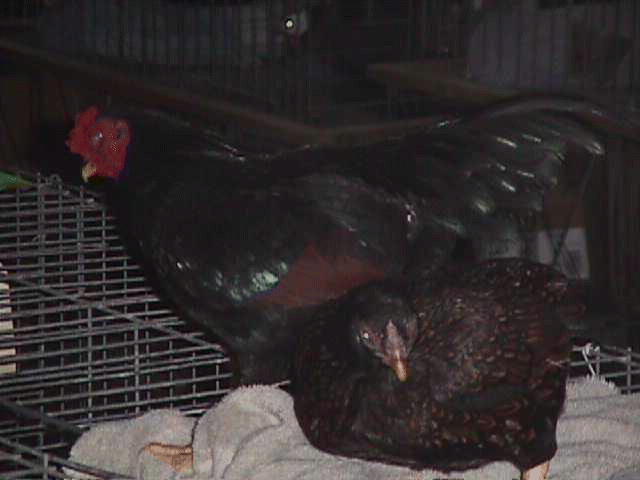
Dark Cornish Bantam Pair
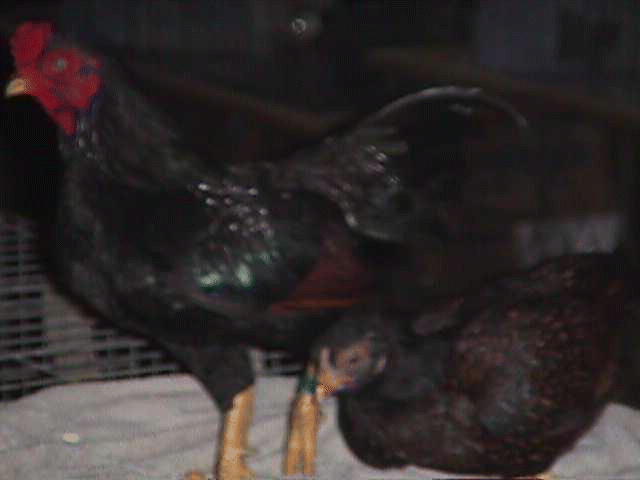
Dark Cornish Bantam Pair
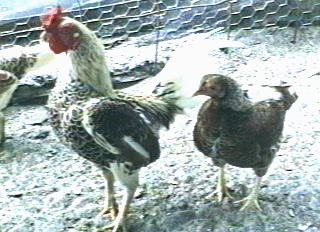
Cornish Pair