Orpingtons: The Gentle Giants
The Orpington is a quintessentially British breed of chicken, beloved worldwide for its massive, fluffy appearance and its exceptionally sweet "lap-dog" temperament. Developed in the late 19th century in the town of Orpington, Kent, this breed has transitioned from a high-performance utility bird to one of the most popular ornamental and backyard pets in existence.
History and Origins
The Orpington was the creation of William Cook, a coachman who developed the breed in the 1880s during the tail end of England's "Hen Fever." Cook’s goal was to engineer the perfect dual-purpose bird—one that excelled in both egg production and meat quality.
- The Original Black: The first variety was the Black Orpington, created by crossing Minorcas, Langshans, and Plymouth Rocks. Cook specifically chose black plumage so the birds would not show the soot and grime common in London at the time.
- The Show Split: By 1886, Black Orpingtons were winning top prizes at major shows like the Crystal Palace. However, a rift soon developed. While Cook’s original birds were high producers, other breeders (such as Joseph Partington) began breeding for "looks over utility," prioritizing massive size and heavy feathering. This eventually led to a decline in egg numbers in some show strains.
- Legacy: The original productive qualities of Cook’s Black Orpingtons were preserved in Australia, where they became the foundation for the famous Australorp breed.
Physical Characteristics
Orpingtons are large, "boxy" birds whose dense, soft feathering makes them appear even bigger than they truly are.
- Appearance: They have a deep breast, a curved back, and short legs almost entirely hidden by thick thigh feathers. Their skin is white, and they possess red wattles and white earlobes.
- Comb Varieties: The APA only recognizes the single comb on Orpingtons. Other countries may accept a rose come on the Black variety.
- Legs and Feet Color: The Buff and White Orpingtons have pink legs and feet and the Black and Blue Orpingtons have Slate colored legs and feet.
- Size:
- Roosters: 8.5 to 10 lbs
- Hens: 7 to 8 lbs
- Color Varieties (US): The APA has admitted Buff (1902), Black (1905), White (1905), and Blue (1923) to the standard.
- Color Varieties (UK): The Poultry Club of Great Britain and the European Association recognize the APA varieties plus Cuckoo, Jubilee, Spangled, Lavender, and Chocolate.
Egg Production and Utility
As a heritage dual-purpose breed, the Orpington is a reliable addition to any homestead.
- Laying Ability: On average, they produce 150 to 280 large, light brown eggs per year (roughly 4–5 per week). While show-bred strains might lay closer to 160, utility strains can reach much higher.
- Winter Laying: Their thick feathering makes them highly cold-hardy, allowing them to continue laying throughout the winter months when many other breeds stop.
- Broodiness: Orpington hens are famous for being "sitters." They go broody frequently and are widely considered some of the best mothers in the poultry world.
- Maturity: They are early bloomers for a heavy breed, typically starting to lay between 6 and 8 months of age.
- Meat: Orpingtons tend to produce tough and chewy meat after they get 6 months old. Consequently, they must be processed between 20 and 24 weeks of age if tender meat is desired. However, birds processed at that age tend to be small and not really worth it.
Temperament
Orpingtons are perhaps best known for their incredibly docile and mellow disposition.
- Family Friendly: They are exceptionally calm and are often the first choice for families with children. They frequently tolerate being picked up, handled, and even "cuddled."
- Low Aggression: Roosters are known as "gentle giants." While protective of their hens and vigilant against predators, they are rarely aggressive toward humans.
- Social Dynamics: Because they are so passive, they are prone to being bullied by more assertive breeds (like the Cornish). They do best in flocks with other docile birds.
Care and Longevity
Orpingtons are robust and easy to care for, but their unique build requires some attention:
- Environment: They are active enough to free-range but are heavy enough to be easily contained by low fences. They rarely take flight.
- Climate: Their thick feathers provide excellent insulation against the cold, but they are less heat-tolerant than sleeker breeds. They must have access to shade and cool water in the summer.
- Health: Due to their appetite, they are prone to obesity. Owners should limit treats to ensure a long life.
- Lifespan: With proper care, they typically live 5 to 10 years, with many remaining productive for 4–5 years.
Orpington chickens are best for new poultry keepers, families seeking pets, and colder climates. However, they are not well suited for extremely hot climates, meat production or those wanting maximum egg production above all else. Still, the Orpington remains a gold-standard breed for anyone seeking a beautiful, productive, and affectionate addition to their backyard flock.
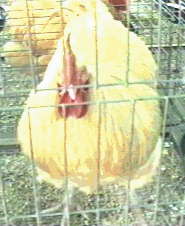
Buff Orpington Cock
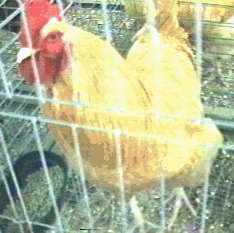
Buff Orpington Cock
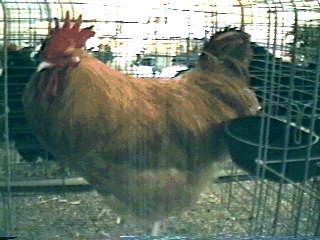
Buff Orpington Cock
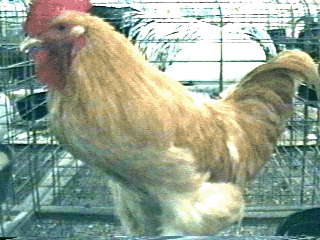
Buff Orpington Cockerel
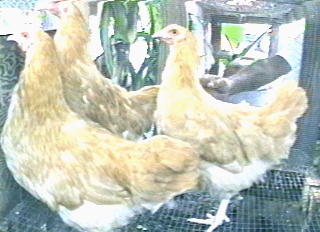
Buff Orpington Pullet