Leghorns: The Egg Machine
By Dennis HawkinsThe Leghorn is the definitive Mediterranean breed and arguably the most influential chicken in the global egg industry. Originating in Tuscany, central Italy, the breed was named after the port city of Livorno (traditionally anglicized as "Leghorn") from which it was first exported to North America in the early 19th century.
While initially known as "Italians," the breed gained immense popularity in America and England, eventually becoming the backbone of nearly every commercial white egg production facility in the world.
History and Variety
Leghorns were first exported to North America around 1828 to 1835. They reached Britain by 1870, where breeders crossed them with Minorca and Malay stock to increase their body size.
- Recognition: The American Poultry Association recognized White and Brown varieties in 1874.
- Colors: While the White Leghorn is the most iconic and popular, the breed comes in a stunning array of colors, including Light and Dark Brown, Buff, Black, Silver, Red, Columbian, Exchequer, and Golden Duckwing.
- Comb Styles: Most Leghorns feature a single comb, which is famous for flopping gracefully to one side in females. However, rose comb varieties are also recognized and are often preferred in colder climates to prevent frostbite.
Appearance and Weight
The Leghorn is a small, sleek bird designed for efficiency rather than meat production. Their "skimpy" flesh makes them of little value to the meat industry, but their feed-to-egg conversion ratio is unmatched.
- Adult Weights:
- Males: Typically 5.3 to 7.5 lbs.
- Females: Typically 4.4 to 5.5 lbs.
- Defining Features: They possess bright yellow skin and legs, white earlobes, and an upright, spirited carriage.
Egg Production and Maturity
Leghorns are "egg machines," bred specifically to produce high volumes of large white eggs with minimal broodiness.
- Annual Yield: Average of 280 to 320 eggs per year with some leghorn hybrids approaching 365.
- Time to First Egg: They are among the fastest-maturing breeds, often laying their first eggs between 16 and 20 weeks (just under 4–5 months).
- Signs of Maturity: A week or two before laying, their combs and wattles will grow significantly and turn an intense, vibrant red.
- Efficiency: They require less feed to produce an egg than almost any other breed, though they need at least 12–14 hours of light and high-protein feed to maintain their heavy production schedule.
Temperament and Behavior
Leghorns are high-energy, "nervous," and extremely active birds. They are intelligent and excellent foragers, but they are not typically considered "pet" material. They are highly social birds and act differently toward humans depending on whether there are other birds present or not.
- Rooster Aggressiveness: Leghorn roosters are notorious for being highly territorial and frequently aggressive. By the time they reach maturity at four months, they can become quite "mean," often charging or attacking perceived threats. Their skittish and flighty nature means they do not enjoy being cuddled or handled.
- General Behavior: These birds are "flighty" and prefer to keep their distance from humans. They are vocal, busy, and rarely stay still. Due to the potential for aggressive roosters and the skittishness of hens, they are generally not recommended for families with small children.
- Intelligence: Leghorns are widely considered to be the most intelligent chicken breed. They are often described as curious, quick learners and adept foragers. They can analyze and solve problems and can also work in teams toward a goal. They can also be trained to perform simple tricks.
- Egg Eaters: They are particularly fond of brown eggs. If you raise leghorns it is best to have a nest box that is designed so that the eggs will roll away out of reach when laid.
Lifespan and Health
- Average Lifespan: In backyard settings, they typically live 4 to 6 years, though some reach 8 to 10 years with exceptional care.
- Production Decline: In commercial settings, they are often kept for only 1–3 years because their peak production occurs in the first 24 months.
- Health Considerations: Because they put so much energy into egg production, they are more susceptible to reproductive system issues than less productive breeds. Their large combs also require protection in extreme cold to avoid frostbite.
In summary, the Leghorn is a highly productive and intelligent breed renowned for its exceptional egg-laying capacity, though their spirited temperament requires careful management. Despite their high value in the egg industry, owners must be aware of their energetic nature and specific care requirements.
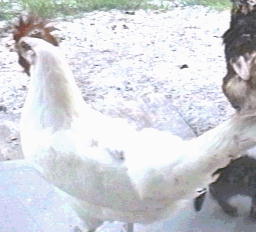
White Leghorn Hen
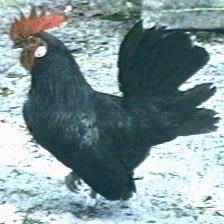
Black Leghorn Cock
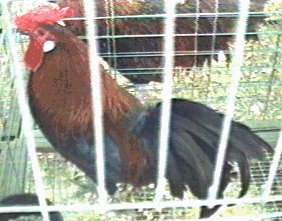
Brown Leghorn Cockerel
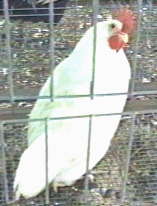
White Leghorn Pullet
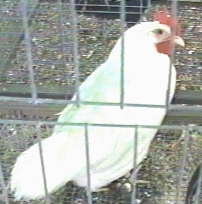
White Leghorn Pullet
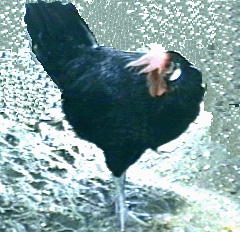
Black Leghorn Hen
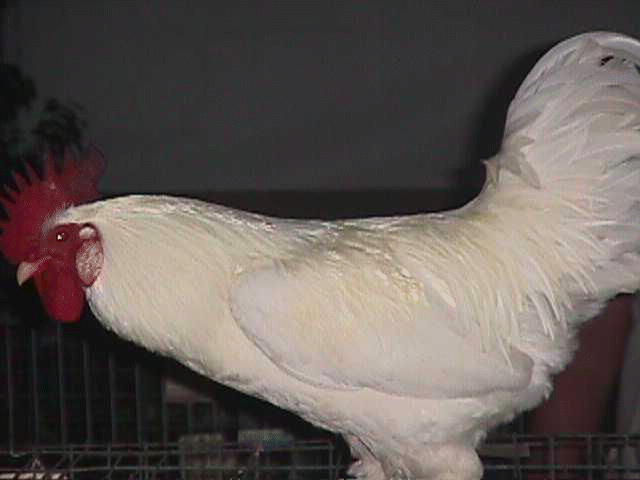
White Leghorn Cock

White Leghorn Pullet Using Toilet
White Leghorn Pullet