Ameraucana: The American Blue Egg Layer
by Lee SalmonAmeraucanas are a relatively new breed of bird that lays blue and green eggs. Some commercial hatcheries claim that it is possible to have blue, green, pink, and yellow shell colors. In reality, pink and yellow are stretching it a bit because the so called pink and yellow eggs are really just light shades of brown. It takes a lot of imagination to perceive a light brown egg as being pink or yellow, but the green and blue shell colors are quite real.
Blue shells were the original color and are directly linked with the Araucana stocks brought to the United States in the 1920's. Crossbreeding gave them a diverse genetic base from which they evolved into the Ameraucana breed with uniform and distinctive features. Unlike their Araucana ancestors, the Ameraucana has been bred to have a beard and a tail. They were admitted to the Standard in 1984.
History and Development
The Ameraucana was bred from Araucana chickens brought from Chile. The primary goal of American breeders was to retain the signature blue-egg gene while eliminating the lethal alleles associated with the Araucana (specifically those causing the "tufted" and "rumpless" traits, which can lead to high chick mortality). They wanted a dual purpose fowl that was practical for both meat and egg production with the unique feature of pastel colored egg shells.
- 1976: The Araucana was officially accepted by the American Poultry Association (APA).
- 1984: The Ameraucana was officially recognized as a separate and distinct breed.
- The Name: The "Ameraucana" name is a portmanteau of "America" and "Araucana."
Recognized Color Varieties
- Black, Blue, Blue Wheaten, Brown Red, Buff, Silver, Wheaten and White (1984).
- Self Blue (Later added in 2020, also known as Lavender).
Ameraucana vs. Araucana vs. Easter Egger
It is a common misconception that these three are the same. While the terms "Araucana" and "Ameraucana" refer to two distinct breeds, the term "Easter Egg Chicken" actually refers to "Araucana Mix" and is not an accepted breed. People purchasing chicks of this breed should be aware that unlike true Araucanas or Ameracanas, the only thing that qualifies a bird as being an Easter Egg Chicken is that it was hatched from a green or blue shelled egg. In that case, you really have no idea of what you are getting as the father could have been a Rhode Island Red or some other unrelated breed. Chicks sold as "Easter Egg Chicks" are seldom from pure stock.
According to the APA Standard of Perfection:
- Araucana: Rumpless (no tail) and possesses ear tufts.
- Ameraucana: Has a tail, muffs, and a beard.
- Easter Egger: Not a recognized breed, but a mixed-breed bird that carries the blue-egg gene. These birds can look like anything and may lay blue, green, brown, or olive drab eggs.
Dishonest hatcheries will sometimes use creative writing skills to deceive and sell mixed-breed Easter Egger birds to unsuspecting hobbyists. Hatcheries that sell pure bred Ameraucanas will not refer to them as "Easter Eggers" and will list the APA recognized color variety of the chicks they sell.
Physical Characteristics
Ameraucana are known for their hardy constitution and distinctive facial features.
- Facial Features: They possess a pea comb, small or absent wattles, and small round red earlobes. They are characterized by prominent muffs and beards.
- Legs: Their shanks are slate-blue, though they may lean toward black in darker plumage varieties.
- Size & Weight: Roosters weigh about 5.5 – 6.5 lbs whereas hens weigh about 4.5 – 5.5 lbs.
Egg Production and Truths
Ameraucana are famous for their pastel blue eggs. Unlike brown eggs (where the pigment is a coating on a white shell), the blue color in Ameraucana eggs permeates the entire shell. If you crack the shell, the inside will be the same color as the outside.
- Annual Production: Healthy hens lay between 150 and 250 eggs per year (averaging 3–4 eggs per week).
- Time to Maturity: They are "late bloomers" compared to production breeds. Most begin laying between 6 to 7 months (24–28 weeks), though some may take up to 10 months if they mature during the winter.
- Urban Legend: Despite historical marketing claims, blue eggs are not lower in cholesterol or higher in nutritional value than white or brown eggs. Additionally, their meat does not taste like quail; it tastes like chicken - just like rattlesnakes.
- Egg Color: Pure breeds should lay a sky blue egg. Green eggs are the result of brown egg genes contaminating the works.
Temperament and Lifespan
Ameraucana are generally prized for their docile and calm nature.
- Rooster Aggressiveness: Ameraucana roosters are typically not inherently aggressive. They are often described as polite and calm, though they remain protective of their hens. Like all roosters, they may go through a territorial phase during adolescence (16–20 weeks).
- General Behavior: They are friendly but can be flighty or skittish if not handled regularly. They are rarely "cuddly" but make excellent, low-stress additions to a flock.
- Lifespan: With proper care, an Ameraucana typically lives between 5 to 8 years.
- Hardiness: Excellent; the small pea comb and lack of large wattles make them very resistant to frostbite.
Ameraucana chickens offer a unique blend of striking beauty, hardy characteristics, blue egg laying skills and calm temperament. They represent a fascinating breed that offers hobbyists a beautiful, low-stress addition to their flock.
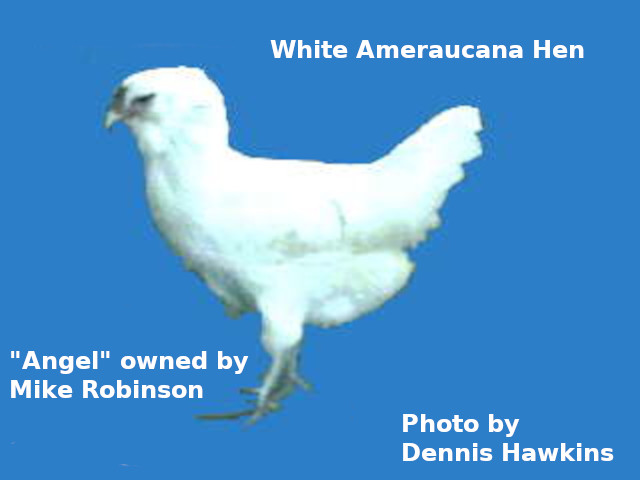
White Ameraucana Hen
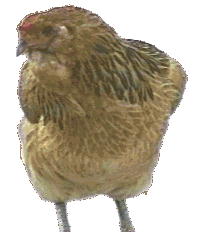
Red Ameraucana Hen
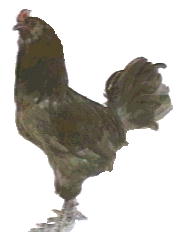
Black Ameraucana Cockerel
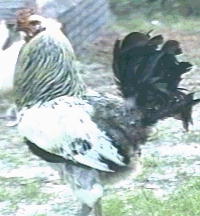
Columbian Ameraucana Cockerel
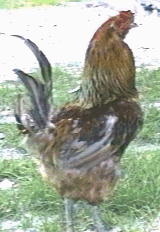
Ameraucana Game Cockerel
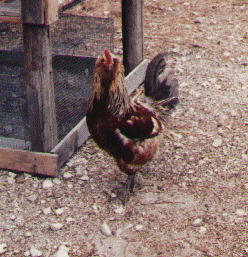
Ameraucana Game Cockerel
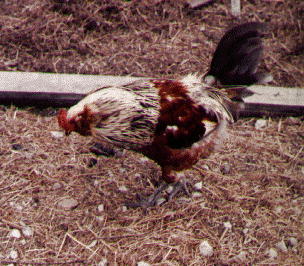
Columbian Ameraucana Cock
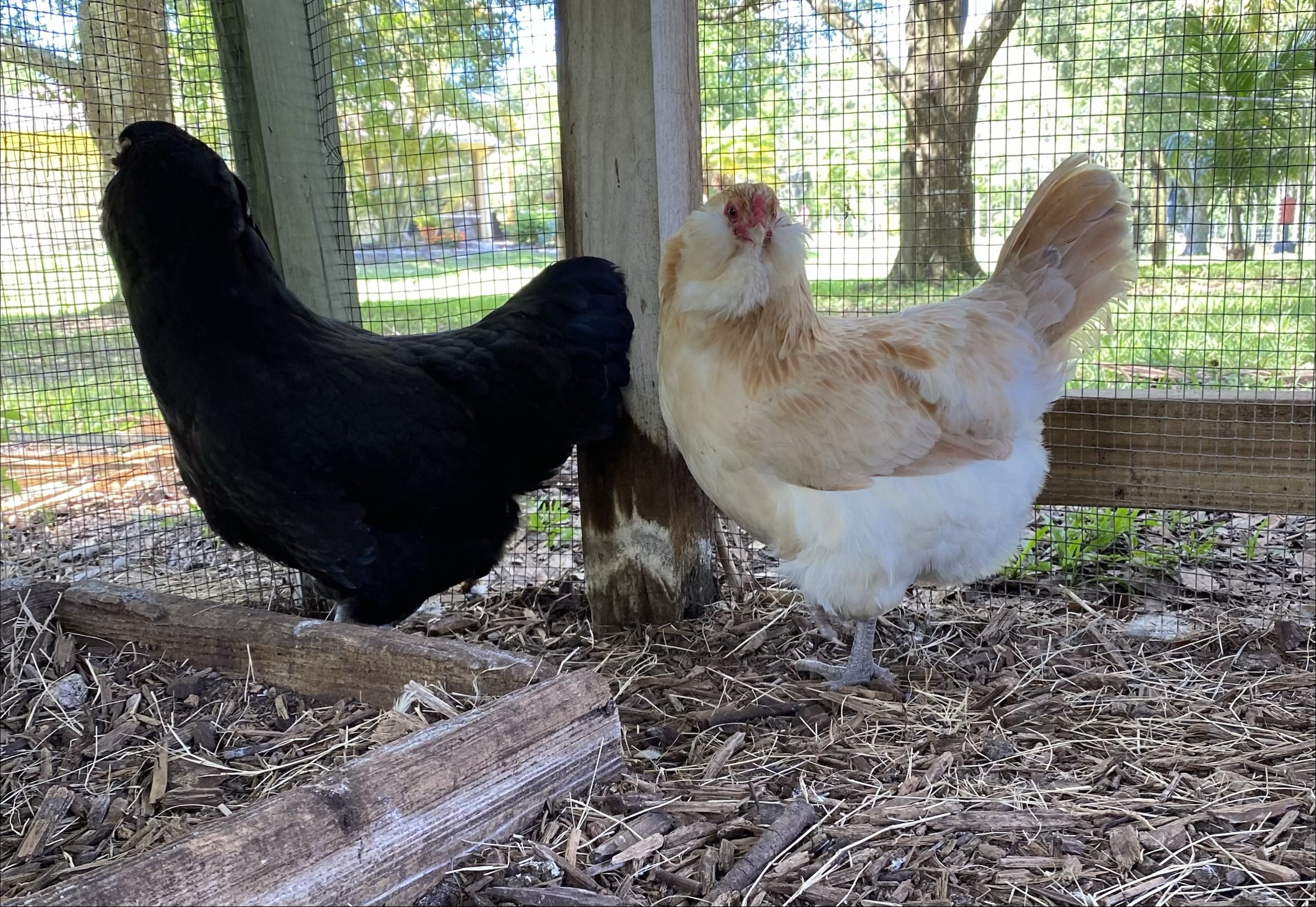
Ameraucana Blue Wheaten & Black Hens
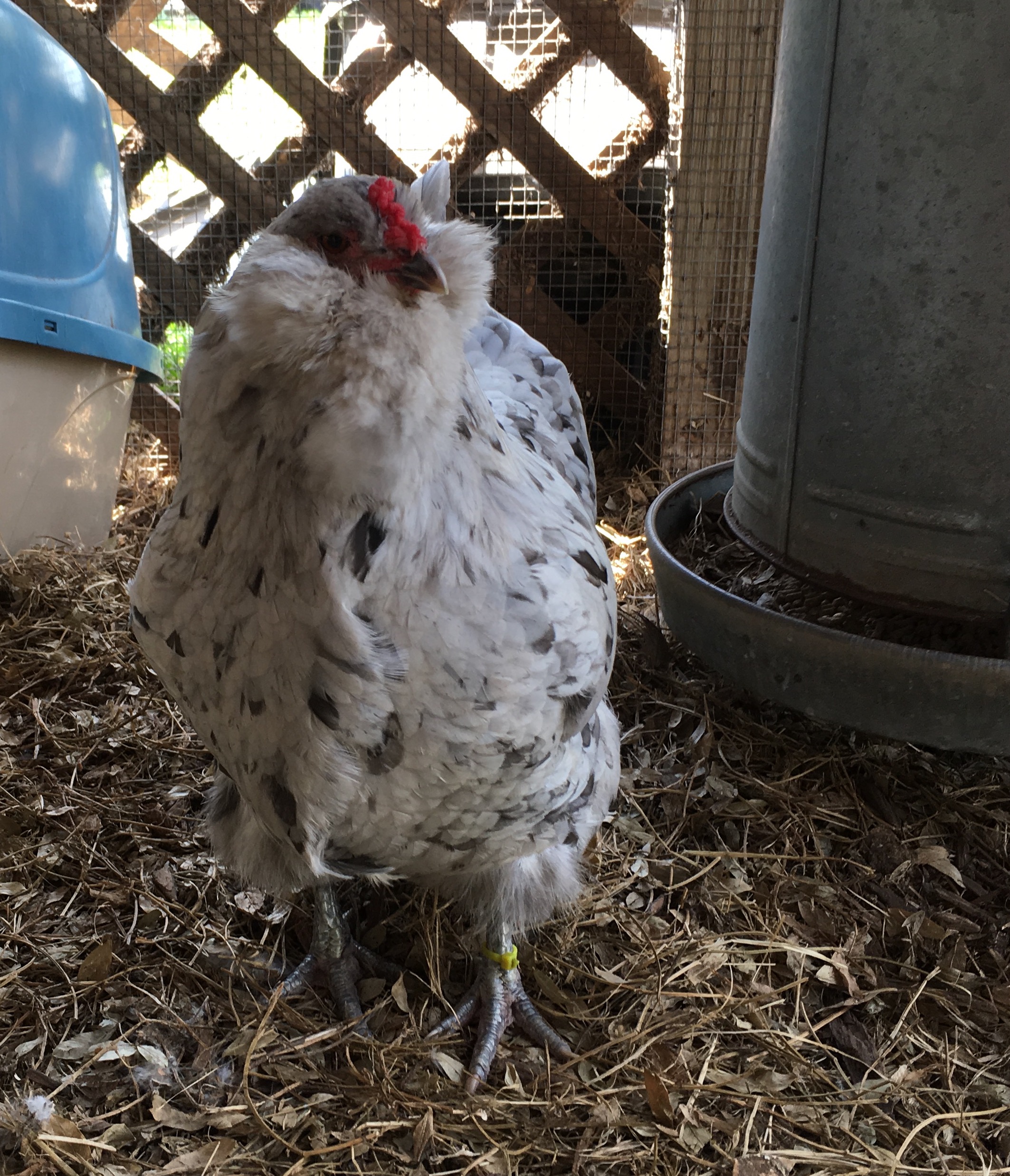
Ameraucana Splash Hen
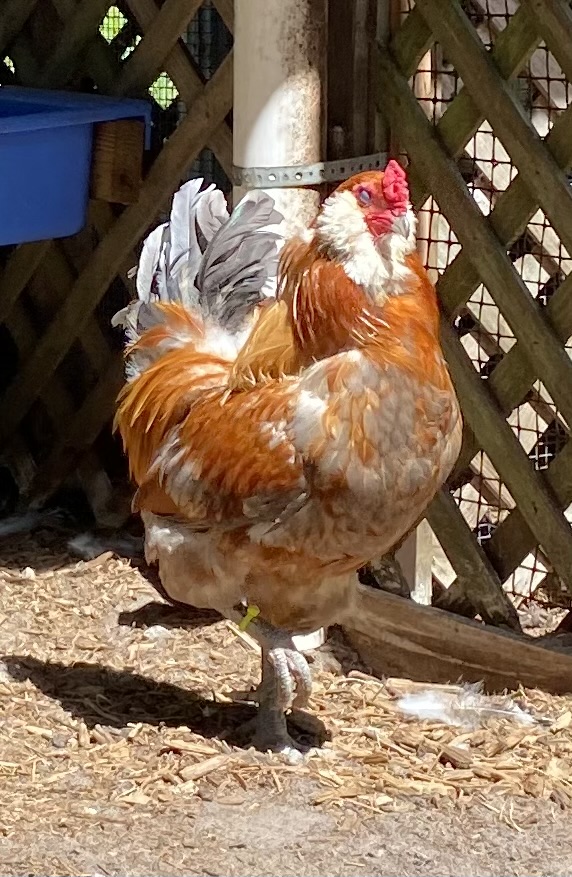
Ameraucana Blue Wheaten Hen
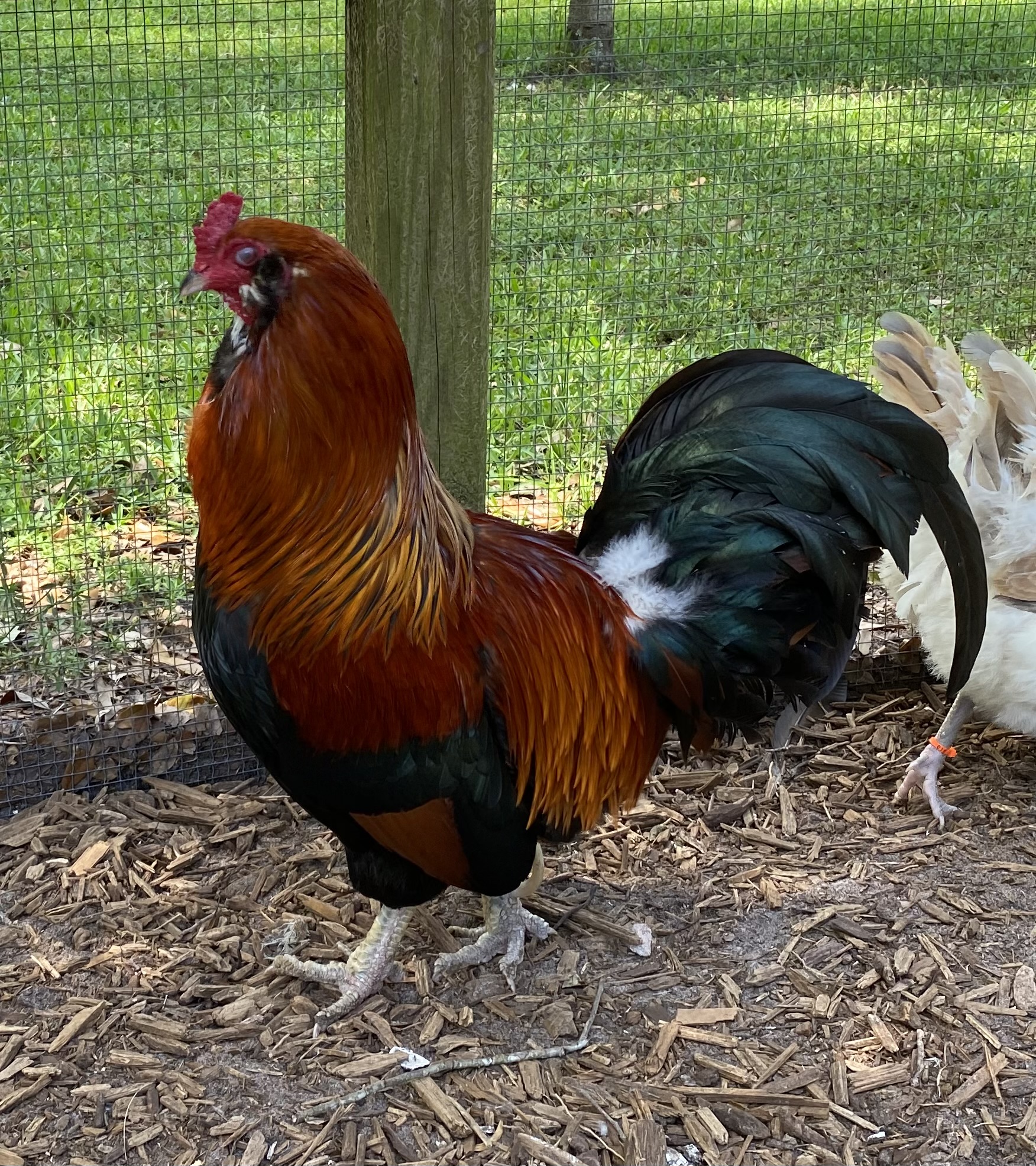
Ameraucana Wheaten Cockerel