Aseels
By Dennis Hawkins
Aseel: The Fighter With a Funny Crow
The Aseel (also spelled Asil or Azeel) is an ancient breed of game chicken originating from the Indian subcontinent, encompassing modern-day India, Pakistan, Bangladesh, and Sri Lanka. Its name is derived from the Arabic word for "purebred" or "thoroughbred," reflecting the immense respect this bird has commanded for millennia.
The Aseel has been bred in India for many centuries for its aggressive behavior. They were popular with the rulers of India who bred them for fighting purposes. It is difficult to keep Aseels in close quarters due to their aggressive tendencies.
The cock of this breed does not generally exceed five or six pounds and has a unique abbreviated . The Aseel is a very muscular bird with short, widely spaced legs. It lays light brown eggs. Although the Aseel has a meaty carcass, it grows too slow to be useful for commercial meat production. Other than its fighting ability, Aseels have little economic value.
History and Heritage
The Aseel is widely considered one of the oldest fighting breeds in existence. References to similar birds appear in Indian legal documents dating as far back as 1000 BC.
- Global Export: The breed reached England by 1846 and the United States in 1887, where it was first exhibited at the Indiana State Fair.
- Genetic Legacy: The Aseel is a primary ancestor of the Indian Game (Cornish) chicken. It provided the essential genes for the heavy, muscular breast meat found in modern commercial broiler chickens.
- Classification: Recognized by the American Poultry Association (APA) in 1981, varieties include Black Breasted Red (Wheaten), Dark, Spangled, and White.
Physical Characteristics
Aseels are "built like athletes" — compact, extremely muscular, and much heavier than they appear. They stand in a distinctive upright position with a fierce expression.
- Features: They possess a round skull, pale eyes, a hawk-like beak, and a small pea comb. Their feathers are short, hard, and held tightly to the body.
- Internal Anatomy: Interestingly, Aseels have a larger heart and shorter intestines compared to other chicken breeds.
- Vocalizations: Males are known for a unique, short, "chopped-off" crow.
Weights (Large Fowl)
While weights vary by specific strain (such as the massive *Kulang* or the smaller *Reza*), general averages are as follows:
- Roosters: 5.5 lbs to as high as 13 lbs (depending on the variety).
- Hens: 4 lbs to 11 lbs.
Temperament and Aggression
The Aseel is defined by its "pugnacious" nature. This is a breed developed for stamina and combat, making them unsuitable for novice owners or mixed-breed flocks.
- Intraspecies Aggression: They are highly territorial. Roosters will often fight to the death and must usually be housed separately. Even hens are known to fight each other for hours, and day-old chicks may spar with enough intensity to cause wounds.
- Human Interaction: Paradoxically, Aseels are remarkably intelligent and personable with their human handlers. They often bond deeply with their owners and are described as loyal and easy to manage by those they trust.
Egg Production and Broodiness
Aseels are not kept for their egg-laying abilities; they are among the poorest producers in the poultry world.
- Annual Production: 6 to 40 eggs per year (some sources suggest up to 70 in specific strains).
- Time to First Egg: They are slow to mature, typically starting to lay around 5 to 6 months, though it can take up to 8 months.
- Egg Quality: Eggs are small, tinted (cream to light brown), and are said to have a stronger flavor than standard eggs.
- Maternal Instincts: While they lay few eggs, Aseel hens are legendary mothers. They are fiercely protective and have been known to fight off snakes to defend their clutch.
Lifespan and Hardiness
The Aseel is a "vigorous and tenacious survivor." Because they are slow-growing and not bred for the physical stress of high production, they enjoy remarkable longevity.
- Lifespan: Typically 8 to 12 years, with some individuals reaching 14 years.
- Health: They are highly heat-tolerant and possess a robust immune system that is resistant to many common poultry diseases.
- Environment: They thrive in free-range settings where they can use their intelligence and foraging skills; they do not handle close confinement well.
- Conservation Status Threatened (Livestock Conservancy US)
In summary, the Aseel is a historically significant and physically imposing breed known for its fierce nature and remarkable resilience. Despite their aggressive tendencies, they possess an intelligent temperament and a strong maternal instinct.
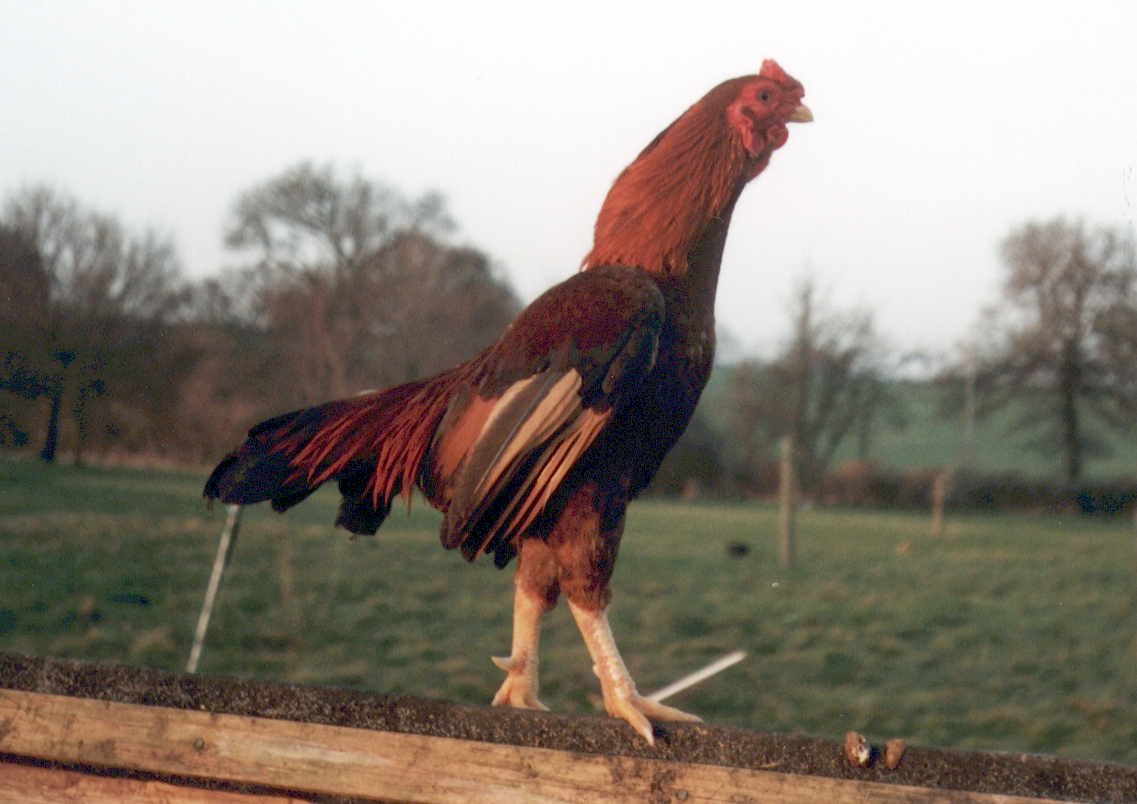
Aseel Cock
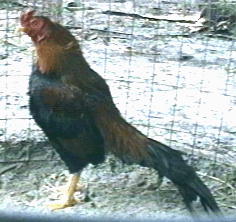
Aseel Cock