$
Naked Neck: The Bird From Transylvania
The Naked Neck is a distinctive breed of chicken, also known by names such as the Transylvanian Naked Neck and the Turken. This breed is instantly recognizable due to its unique physical characteristic: the complete absence of feathers on the neck and vent area. Known for its hardiness and dual-purpose utility, the Naked Neck is a resilient breed popular in certain regions of Europe, though it is recognized by the American Poultry Association (APA) since 1965.
Origin and Genetics
Historical Origins
The exact origins of the Naked Neck breed are unclear. One prevailing theory suggests that the breed originated in Asia, where it has historical connections related to cockfighting and is depicted in old Japanese paintings. The breed was eventually introduced to Transylvania (part of modern Romania), where its breeding has been documented since the 19th century. It was subsequently refined in Germany before being dispersed across Europe and the Americas.
The Naked Neck Trait
The defining feature—the lack of neck and vent feathers—is controlled by a genetic trait that is considered dominant. This trait is governed by an allele (Na) located near the middle of Chromosome 3.
- Genetics: Individuals exhibiting the naked-neck characteristic are either homozygous dominant (Na/Na) or heterozygous (Na/na+). True breeding members of the breed must be homozygous dominant (Na/Na).
- Impact: Scientific studies indicate that the naked-neck gene improves breast size and reduces heat stress in chickens of non-broiler breeds. In tropical climates, introducing this trait into broiler strains has been shown to facilitate lower body temperature, increased weight gain, and improved feed conversion ratios.
Physical Characteristics and Utility
Naked Neck chickens are primarily valued as dual-purpose utility birds, excelling in both meat production and egg laying.
- Appearance: Despite their unique look, they are not typically known as exhibition birds. They possess a meaty body and have approximately half the feathers of other chickens. Their exposed skin on the neck and head often turns bright red when exposed to the sun, which parallels the appearance of a turkey.
- Feathering: The reduced feathering makes them highly resistant to hot weather and easier to pluck.
- Hardiness: They are generally robust, disease-resistant, and excellent foragers. Naked Neck chickens are known for being exceptionally heat-tolerant, allowing them to continue laying well through cold winter months when other breeds decline. They require protection from extreme cold but thrive in warm conditions.
- Comb: Naked Neck roosters typically carry a single comb.
Weights
Standard Weights (APA):
- Male (Cock/Cockerel): 7.5 lbs – 8.5 lbs
- Female (Hen/Pullet): 6.5 lbs
Egg Production
Naked Neck hens are reliable layers and are considered efficient, putting energy into egg production rather than excessive feather growth.
- Egg Size: Medium
- Egg Color: Light Brown (Tinged brown shell)
- Annual Production: They are reliable layers, producing approximately 150–200 brown, medium-to-large eggs per year.
- Weekly Rate: Typically, hens lay between 3–4 eggs per week, with some individuals laying up to six a week.
- Laying Start Time: Naked Neck chickens typically begin laying eggs around 5 to 6 months of age (approximately 20–24 weeks). Faster-maturing hens may begin laying as early as 16 weeks.
Rooster Temperament (Aggressiveness)
Naked Neck roosters are generally known for a docile, friendly, and highly sociable nature, often described as "the dog of the chicken world." While they are typically calm and do well in mixed flocks, it is important to note that like most rooster breeds, individual Naked Neck roosters can occasionally exhibit aggression, particularly when defending hens or establishing a pecking order.
Lifespan and Care
- Average Lifespan: They typically live for 6 to 10 years.
- Health: They are generally robust and disease-resistant. However, due to their exposed skin, owners must monitor the skin for sunburn.
- Care Summary: These hardy, dual-purpose birds are highly valued for their friendly nature and high productivity, making them popular for backyard flocks.
The Naked Neck breed offers exceptional resilience, making them highly valued dual-purpose birds that thrive in various climates. Their combination of hardiness, moderate production, and docile temperament makes them an excellent choice for backyard flocks. Owners should focus on providing proper care and protection to ensure these resilient chickens maintain their health and productivity.
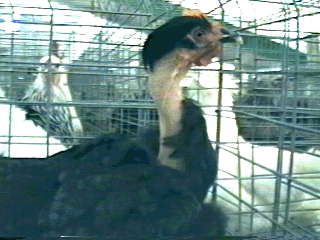
Naked Neck Pullet
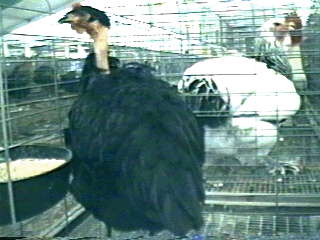
Naked Neck Pullet
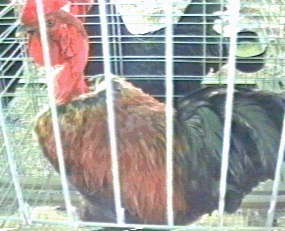
Naked Neck Cock