Old English Game: The Long Lived Fighter
The Old English Game (OEG) is a distinguished British domestic chicken breed with a rich history, primarily originating from the practice of cockfighting. Today, the breed is cherished for its unique, ornamental appearance, hardy nature, and exceptional longevity.
History and Origin
The Old English Game chickens descend from ancient fighting cocks, with their history intertwined with British culture and the sport of cockfighting. Introduced to England by the Romans in the 1st century, cock-fighting became a popular sport, even entering British public schools in the early 1800s. This tradition continued until the sport was officially banned in 1849.
As the breed evolved, the Old English Game developed specific physical characteristics suited for the ring, resulting in a compact, muscular body and broad shoulders. While the breed has changed little in appearance over the last millennium, it maintains the distinct aesthetic of the game fowl.
The APA recognizes 14 varieties. These were recognized in three different years:
- 1938: Black Breasted Red, Black, Brown Red, Golden Duckwing, Silver Duckwing, Red Pyle, White, Spangled
- 1965: Blue Breasted Red, Blue Golden Duckwing, Blue Silver Duckwing, Lemon Blue, self blue
- 1994+: Crele - Note that the exact year is not available. This variety is shown on the APA website, but was not in the 1993 Standard.
Physical Characteristics and Appearance
Old English Game chickens are known for their elegant, slender, and distinctive appearance, often standing over 20 inches tall. They are prized for their long legs and hard, tight feathers that follow the body.
- Body Structure: Compact, muscular body with broad shoulders.
- Feathers: Feathers are typically tight to the body, and the tail feathers are broad and strong.
- Features: They possess large, well-curved beaks, long necks, strong heads, and fearless eyes.
- Comb and Wattles: Straight, but roosters are typically required to have their comb and wattles trimmed early in life (a practice called dubbing) for exhibition.
Temperament and Behavior (Aggressiveness)
The temperament of the Old English Game is a critical factor for keepers, as they are known to be highly active, flighty, and possess an inherently aggressive and territorial nature.
Rooster Aggressiveness: Old English Game roosters are notoriously aggressive and territorial due to their historical breeding for cockfighting. They are notorious for fighting other males and cannot be kept together in a flock without conflict. Therefore, it is essential to keep only one male rooster per flock.
- Rooster-on-Rooster Conflict: Males are highly aggressive toward other roosters and will fight to the death.
- Social Dynamics: While highly aggressive toward other birds, OEGs can sometimes exhibit affection toward their human owners, especially if raised in a social environment.
- Behavior: They are very active, loud, and noisy, and can often revert to a more feral or flighty state.
- Broodiness: Hens are known to be defensive and often develop a tendency to go broody.
Management Note: Due to their aggressive nature and need for space, OEGs do not do well in tight confinement or cages. They thrive best in free-range situations where they can roam and forage.
Lifespan and Longevity
The Old English Game are renowned for their exceptional longevity, often living significantly longer than high-production breeds when properly cared for.
- Typical Lifespan: A typical lifespan for Old English Game chickens is 10 to 15 years or more.
- Record Breakers: This longevity is attributed to their robust nature as a heritage breed. The famous chicken "Matilda" was an Old English Game who lived to be 16 years old.
Egg Production and Laying Cycle
The Old English Game are considered poor to moderate layers, known more for their quality and foraging ability than high egg yield.
- Annual Egg Production: They typically produce between 100 to 160 eggs per year, with some sources suggesting a maximum of up to 180 eggs.
- Egg Quality: Eggs are generally small to medium-sized, and their color is typically cream, white, or tinted.
- Age of First Lay: Old English Game hens are slower maturing compared to high-production hybrids. They typically begin laying eggs between 20 to 26 weeks of age (roughly 5 to 6 months), although some may start as early as 18 weeks.
- First Eggs: The first eggs laid by Old English Game hens are typically very small. Laying may be delayed if the pullets reach maturity late in the fall or winter, often only beginning production once the days get longer in the spring.
Weight and Size Specifications (APA)
- Cocks: 5 lbs
- Cockerels: 4 lbs
- Hens: 4 lbs
- Pullets: 3.5 lbs
The Old English Game represents a remarkable blend of historical pedigree, physical elegance, and inherent temperament. While their aggressive nature requires careful management, their exceptional longevity and quality make them highly valued heritage breeds.
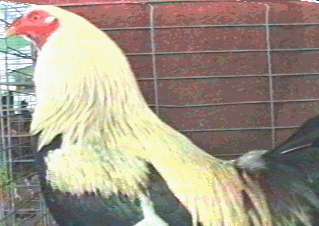
Old English Silver Duckwing Cock
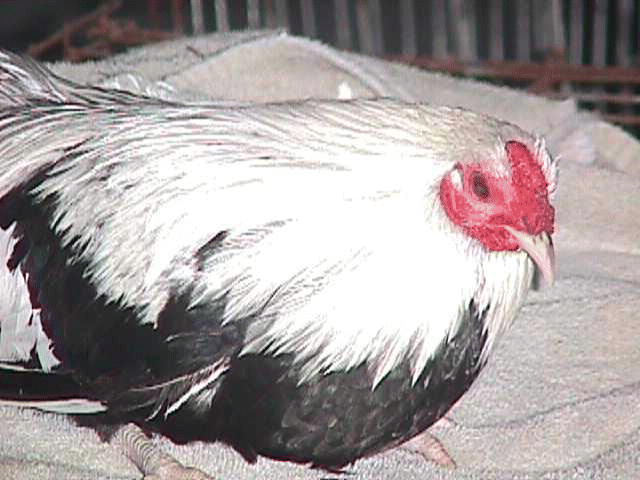
Old English Silver Duckwing Hen
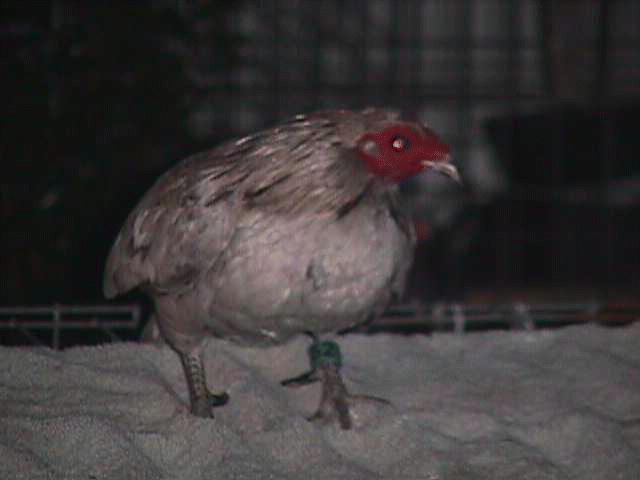
Old English Splash Cock
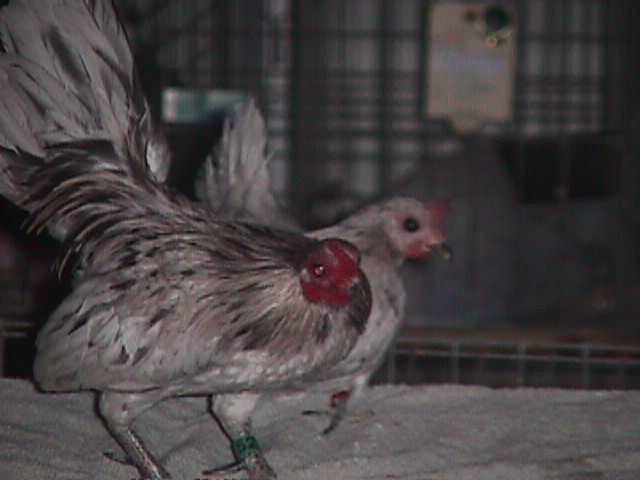
Old English Splash Pair
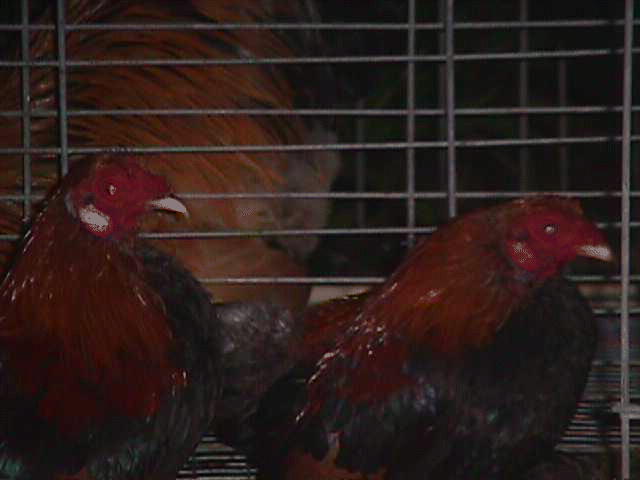
Old English Black Breasted Cock