Phoenix: The Living Masterpiece
The Phoenix chicken is an extraordinary, heritage-style ornamental breed defined by its dramatic, pheasant-like appearance and sweeping tail feathers. Emerging from a fascinating historical effort to preserve the beauty of ancient Japanese long-tailed birds within a hardy European frame, the Phoenix stands today as a living work of art in the poultry world.
Origins and History
The lineage of the Phoenix begins in Japan, where traditional "garden chickens" — such as the legendary Onagadori (which was itself developed from the Shokuku, Totenko, and possibly Minohiki breeds) — were kept as outdoor pets and status symbols. The Onagadori possessed spectacular tails reaching up to 12 to 27 feet long. However, when Europeans brought these birds West, they discovered the Onagadori had a delicate constitution and could not survive the cold European climate.
To preserve this long-tailed aesthetic in a more resilient bird, Mr. Hugo du Roi — the first president of the National German Poultry Association - created the modern Phoenix in the late 19th century. He cross-bred the delicate Japanese imports with a variety of vigorous breeds, including the Leghorn, Malay, Modern Game, Old English Game, Yokohama, German Creeper, Ramelsloher, and Bruegge Game. The name "Phoenix" was chosen to symbolize a beautiful new breed rising from the ashes of its delicate ancestors.
- Global Recognition: The breed arrived in America before 1924. Famous poultrymen like F.L. Sewell and John Kriner Sr. helped establish and preserve American lines.
- Classification Quirks: In 1904, the Poultry Club of Great Britain grouped the German Phoenix and Yokohama together under the name "Yokohama," meaning the Phoenix is not independently recognized as a breed there.
- Conservation Status: In the 21st century, the Phoenix is an endangered heritage breed. Its status is "at risk/endangered" in Germany (around 344 birds) and Australia (387–400 birds), and "at risk/vulnerable" in the United States, where a 2015 census counted 1,579 birds.
Physical Characteristics and Tail Growth
The Phoenix is an alert, slender bird with a distinct, graceful carriage. It features a bright red, single comb with five upright points, bright red wattles, oval white earlobes, and reddish-brown eyes. Its skin is yellow, and its legs and toes range from light to dark blue on smooth shanks.
Standard Weights:
- Cock (Mature Rooster): 5.5 lbs
- Hen (Mature Female): 4 lbs
- Cockerel (Young Male): 4.5 lbs
- Pullet (Young Female): 3.5 lbs
The Mystery of the Tail: True Onagadori chickens carry a recessive gene that prevents them from molting, allowing their feathers to grow continuously for years. Cross-breeding mostly eliminated this non-molting gene in the Phoenix. Instead, Phoenix roosters molt every year or every other year. Despite this, with proper care, the roosters still grow magnificent, rigid sickle feathers measuring 2 to 5 feet (90 cm or more) in length, alongside saddle feathers spanning 12 to 18 inches. Only the roosters grow these long tails.
Color Varieties & Standard Admission
The American Poultry Association (APA) classifies the Phoenix under the All Other Standard Breeds (AOSB) class and recognizes three specific varieties:
- Silver: Admitted in 1965
- Golden: Admitted in 1983
- Black-Breasted Red: Admitted in 2018
Temperament and Rooster Aggressiveness
The Phoenix is generally a docile but aloof and shy breed. Rather than being naturally aggressive toward humans, they lean toward being flighty, timid, or wary of human contact if not socialized early.
- Rooster Aggression: Phoenix roosters are active, highly alert, and territorial. While they are not typically aggressive toward people, they will display aggression and fight if challenged by other roosters, especially when competing for hens or placed in unfamiliar situations. Maintaining a proper hen-to-rooster ratio is critical to minimizing conflict.
- Family Suitability: Because they are calm yet aloof, they can be a fine option for respectful children who know not to pull their long, attractive tail feathers. Daily handling from a young age is highly recommended to tame their flighty instincts.
Egg Production and Maturity
Though primarily bred for exhibition and ornamental enjoyment rather than production, the Phoenix is a fair layer for a game-type bird.
- Time Until First Egg: Phoenix pullets generally begin laying between 4 to 6 months (16–24 weeks) of age. However, as a heritage breed, this timeline is variable; environmental stress, poor nutrition, a lack of daylight (they require 14–16 hours for optimal laying), or winter weather can push their first egg back to 7 or even 9 months.
- Annual Egg Production: Production statistics vary by strain. While some sources note a baseline of about 45 to 52 eggs, high-producing lines can lay up to 126 eggs annually. A separate data point notes that highly productive ornamental strains can even yield between 200 and 280 eggs a year.
- Egg Characteristics: Standard eggs are small-to-medium in size and have yellowish-white, cream, tinted, or light brown shells, weighing an average of 48 grams.
- Maternal Traits: Phoenix hens do go broody regularly and make excellent, protective mothers. Chicks are naturally hardy but require an influx of extra protein in their diet to support the intense energy required to grow their long tail feathers.
Lifespan and Specialized Care Requirements
The typical lifespan of a Phoenix chicken is 6 to 8 years, though well-cared-for individuals protected from predators and disease frequently live closer to 10 years. Their cross-bred heritage grants them excellent genetic hardiness, and they generally thrive much better in warm climates than in damp, cold environments.
- Housing Limitations: Because of their extraordinary plumage, the Phoenix is considered a high-maintenance breed. They are magnificent when allowed to free-range on large estates where they can roam at large. They tolerate confinement well, but their coops and cages must be custom-designed with exceptionally high perches to prevent their long tails from dragging on the ground, getting dirty, or breaking.
- Flight Ability: The Phoenix is an excellent flier. Enclosed runs or high fencing are required if they need to be contained.
The Phoenix is a magnificent, heritage breed that offers unparalleled aesthetic beauty and historical depth to the poultry world. Caring for a Phoenix requires dedication to their specific needs, particularly providing secure, spacious housing and attentive handling to ensure their magnificent plumage and temperament are fully appreciated. They stand as a living testament to the successful blending of ancient aesthetics and modern genetics. Ultimately, the Phoenix requires knowledgeable management and a secure, predator-proof setup, making it a highly rewarding endeavor for dedicated poultry enthusiasts.
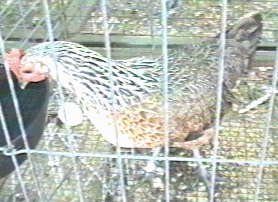
Phoenix Hen
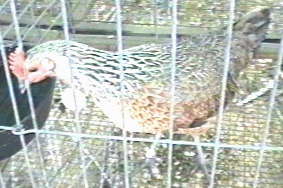
Phoenix Hen
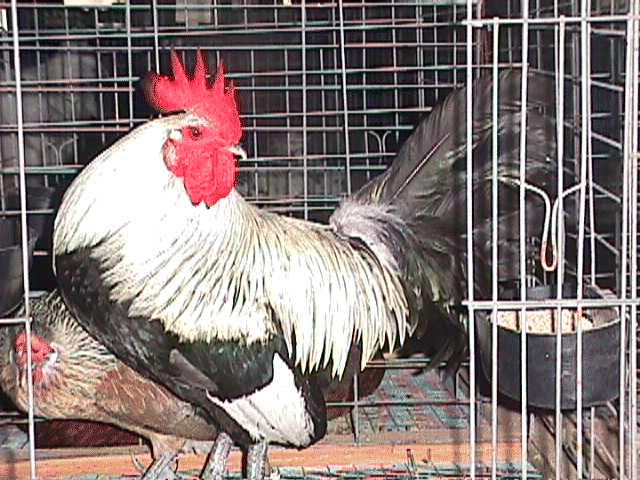
Phoenix Pair