Shamo: The Japanese Fighter
Contributed by Marc KingSHAMO in Japanese means "fighter", which is what the Shamo was bred for.
The origins of the breed, however, are not Japanese, rather we find Shamoid-type gamefowl in Thailand, India (Aseel gamefowl), Taiwan and other parts of tropical southeast Asia (Malay). It is documented in Japanese history that the "Shamo", which was probably of Malay and Aseel stock, was originally imported from Thailand, but then underwent a selection purely Japanese, the results of which are a very impressive and beautiful gamefowl.
There are many strains of Shamo in Japan and the name Shamo has been given to many different gamefowl types. The O-Shamo, the largest, and the Chu-Shamo, next down in size, are considered selections of the same breed. There are also the bantam breeds Ko-Shamo and Nanking Shamo but they are not the sized-down versions of the other Shamos. These are considered separate breeds and fit in a larger category of gamefowl that include: Yamato Gunkei and Chibi.
The O-Shamo and the Chu-Shamo are birds of upright carriage with very powerful and protruding shoulders, hard feathers, long and powerful shanks. Even the shoulder backs of the birds display body-builder type musculature. Shamo are pea or walnut combed, pearl-eyed and have large and powerful beaks. The head form varies slightly from different strains, but is overall a large, thick, rounded skull form with shortish to medium-length, curved beak. The eyebrows and cheekbones are very pronounced, creating an "eagle-like", piercing gaze. The face is red. The eyes of young cocks can be a shade of light red-orange to yellow, but must be very pale at two to three years.
Other distinguishing factors of the Shamo is is feathering. As in many asiatic gamefowl types, the breast is bare and the tips of the shoulders should also show bright red bare skin. The full tail is "carried above the ground at a less than horizontal position". No feathers drag but in some strains the two top sickles may barely touch the ground.
Color is of no importance. Blacks and red-blacks are the best to type, but there are many variations of wheaten, white, splash, cuckoo, silver duckwing, ginger red and porcelain colors.
Birds take 2 to 3 years to fully develop and should not be "pushed" with super feeds. Much to the contrary, they need to grow slowly at first, to ensure good, solid bone growth. They also prefer warmer climates. If kept in colder areas, it is very important that the O-Shamo and Chu-Shamo have draught-free stalls and a thick layer of straw to walk on.
The Shamo, as well as other gamefowl, is an extremely tame bird if treated with TLC. Some cocks, as in many other breeds, can become aggressive, at which time you might want to look at a good recipe for Chicken Caciatori! Our O-Shamo follow us like dogs, begging for food and almost allowing themselves to be petted! Once they see, however, another full-grown rooster, they go into attack position. The raising of Shamo needs individual pens for the roosters, and even the hens sometimes will not put up with other hens and have need of their own space. But, on the average, a mating of 3 - 4 hens and a rooster will go about their business peacefully.
Maturation and Egg Production
Shamo chickens are defined by their slow development, which means they invest significant time into building their robust bodies before they begin laying eggs.
- Time to First Egg: Shamo birds typically start laying eggs between 7 to 8 months of age (approximately 28–32 weeks).
- Laying Characteristics: Shamos generally produce small to medium-sized eggs.
- Annual Egg Production: Shamos are fair to poor egg layers and average about 90 per year
Physical Characteristics and Weight
Shamos are large, upright birds renowned for their strength and muscular frame. Their weight varies significantly depending on the specific type of Shamo.
Weight Breakdown by Type:| Shamo Type | Male (lbs) | Female (lbs) | Notes |
|---|---|---|---|
| O-Shamo | 11–12.4+ lbs | 7–7.5+ lbs | Known for the tallest, most muscular frame. |
| Chu-Shamo | ~8 lbs | ~6 lbs | Medium-sized, robust birds. |
| Ko-Shamo | ~2 lbs | ~1.5 lbs | The smallest, bantam variety. |
The overall weight range for these breeds spans from 6.6 lbs to 15 lbs for the large types.
Breed Characteristics: Shamos are known for their tall, upright, and highly muscular build. They are often kept as ornamental or exhibition birds, which contributes to their robust physical development.Temperament and Aggression
Shamo chickens possess a distinct temperament characterized by high intensity and strong boundaries. Managing this nature is crucial for cohabitation.
- Rooster Aggressiveness: Shamo roosters are known to be highly aggressive toward other birds, stemming from their history as fighting chickens. They can be extremely aggressive toward other males, fighting to the death, and may also display aggression toward other hens.
- Intra-Species Aggression: According to observation, Shamos are very pugnacious. Research suggests they often require separation to prevent them from fighting each other, which can lead to serious injury or death within the flock.
- Human Interaction: Despite their intense aggression toward other chickens, Shamo birds are often surprisingly friendly and calm toward humans. They can become very tame and gentle pets, making them loyal companions.
- Handling Management: Because of their strong, "gamey" nature, consistent and careful handling is essential. Owners must be prepared to manage their aggressive tendencies if the birds act out, ensuring their safety and the safety of other animals.
Lifespan and Longevity
Shamo chickens are known for their exceptional durability and robust nature, contributing to a long and healthy life.
- Average Lifespan: The typical lifespan for a Shamo chicken is generally between 6 and 8 years. Due to their hardy nature, some birds have been known to live almost 12 years when provided with excellent care.
- Hardy Nature: They are recognized as a very robust and durable breed.
The Shamo chicken is a distinctive and highly valued heritage game breed known for its large, muscular, and athletic build. As a slow-maturing breed, Shamos require patience and specific care, offering unique characteristics that set them apart from typical commercial production chickens.
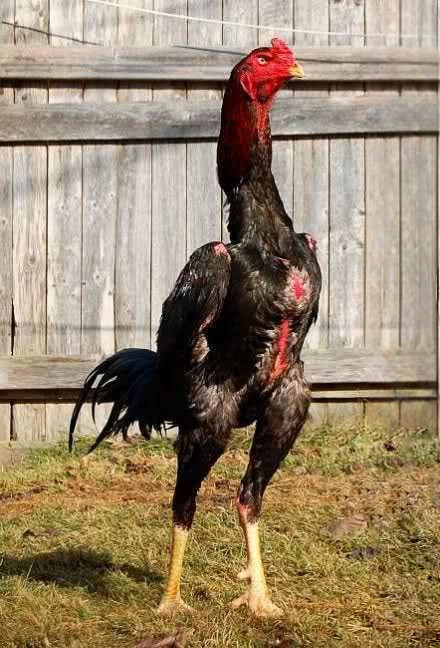
Shamo Cock