Sumatra: The Feral Royalty of Poultry
By Dennis HawkinsThe Sumatra chicken is one of the most visually striking and distinctive breeds in the poultry world. Possessing a stately, royal carriage that belies its wild, feral heritage, the Sumatra looks less like domestic poultry and more like a wild pheasant. Known for its long, flowing curves, jet-black plumage with an intense beetle-green luster, and unique anatomical features, this ancient heritage breed remains a highly prized treasure for ornamental and exhibition breeders.
Origins and History
As its name suggests, the breed originated in the Indonesian islands of the Asiatic Archipelago, specifically Sumatra, Java, and Borneo. Due to its initial geographical isolation, the Sumatra retained an exceptionally pure bloodline. In the wild, Indonesian residents historically captured the wild males at the beginning of the breeding season to use as fighting cocks, releasing them back into the jungle once the season concluded.
- Global Importation: The breed was first imported into the United States in April 1847 by J.A.C. Butters of Roxbury, Massachusetts, with subsequent importations following between 1850 and 1852. It was introduced from the U.S. into Germany in 1882 — where it was initially called the "Black Yokohama" — and arrived in England around the same time.
- The Cockfighting Paradox: Because of its natural agility and predatory traits, the Sumatra was highly desired for cockfighting. However, it arrived in England just as legal cockfighting was abolished. Experts believe the breed would have achieved massive commercial popularity had this law not been enacted.
- Refining the Breed: Nelson A. Wood of the Smithsonian Institution in Washington, D.C., began working with the breed in 1885 and is widely credited with refining the Sumatra's flowing plumage and improving its overall productivity.
Physical Characteristics and Anatomy
The Sumatra is a lightweight, athletic fowl characterized by long, flowing curves and an abundant tail that is carried low enough to appear drooping.
- Plumage and Coloration: The classic and predominant variety is the Black Sumatra, which features solid, jet-black feathers completely covered in a rich, metallic green sheen. The American Poultry Association (APA) admitted the Black Sumatra to its *Standard of Perfection* in 1883. The Blue variety was later added in 2003.
- The "Gypsy" Face: Purple to black coloring on their face, throat, and earlobes.
- Shanks and Feet: Black shanks with yellow soles, and multiple spurs on each leg.
- Comb and Wattles: Sumatras have small, sometimes almost non-existent wattles, and small earlobes. They have a small, vibrant red pea comb.
- Skin and Bones: They have black skin and black bones.
- Weight Standards: Though their abundant feathering makes them appear much larger, Sumatras are physically quite light.
- Standard Cock (Adult Male): 5 to 6 lbs
- Standard Hen (Adult Female): 4 lbs
- Cockerel (Young Male): 4 lbs
- Pullet (Young Female): 3.5 lbs
Temperament and Rooster Aggressiveness
The Sumatra behaves more like a wild game bird than a typical backyard chicken. They are high-strung, active, alert, nervous, and easily frightened.
- Seasonal Rooster Aggression: Unlike breeds that are uniformly vicious, Sumatra roosters retain their wild cyclical instincts. For most of the year, males can actually live together in relative harmony. However, during the spring breeding season, they become highly agitated, intensely territorial, and combative, vowing for breeding rights. They can become aggressive toward other roosters and may act as "man-fighters" toward human keepers.
- Handling and Flock Dynamics: Sumatras generally dislike being handled and are prone to panic. They are not recommended for a standard, close-quarters backyard flock or for children. They require early, consistent socialization from a young age just to tolerate human presence.
Egg Production and Maturity
- Time Until First Egg: Pullets typically do not lay their first egg until approximately 7 months (28–30 weeks) of age. Signs of maturity include their small combs and wattles expanding and turning a vibrant, deep red, alongside typical "squatting" behaviors.
- Annual Egg Production: As ornamental birds, their numbers are low to moderate, ranging between 100 to 130 eggs per year (though some well-managed strains can peak between 150 and 200).
- Egg Details: Despite their black skin, plumage, and bones, they lay small-to-medium white or lightly tinted/cream-colored eggs.
- Broodiness and Seasonality: Sumatras are highly seasonal reproducers; fertility and broodiness arrive quite late in the spring. While some strains are non-setters, the hens are generally regarded as excellent, fiercely protective mothers and very reliable sitters that can easily hatch the eggs of other poultry and waterfowl. They are also highly regarded for being excellent winter layers.
Lifespan, Flight Ability, and Specialized Care
The typical lifespan of a Sumatra chicken ranges from 5 to 10 years, with most healthy, well-maintained birds averaging 6 to 9 years. Their wild genetics make both adults and chicks incredibly hardy and disease-resistant.
- Exceptional Flight Ability: Unlike almost all modern domestic chickens, the Sumatra has fully retained its powerful, wild flying capacity. They are famous for launching themselves completely vertically to escape danger, and historical rumors even claimed they could fly across the ocean waters between Sumatra and Java. They prefer to roost in high trees.
- Housing Requirements: Due to their intense flight risks and high-strung nature, they are difficult to manage in standard chicken coops. They thrive best in vast free-range settings with ample room to forage, preferring areas with bushes and heavy cover. If confined, they require very high roofing and secure fencing to avoid escape and reduce stress.
- Predator Savviness: Their hyper-alert, wild demeanor and vertical flight abilities make them elite at avoiding ground predators, greatly contributing to their long lives when allowed to roam.
- Status: Currently, the Sumatra is utilized almost exclusively for ornamental purposes and showing, and its global population status is classified as threatened.
The Sumatra breed represents a remarkable blend of wild instinct and domestic beauty, demanding specialized care due to their unique temperament and flight capabilities. While their assertive nature requires careful socialization and secure housing, their striking appearance and hardy nature make them highly valued in the ornamental poultry world. Responsible breeders ensure that this fascinating, feral heritage continues to thrive safely.
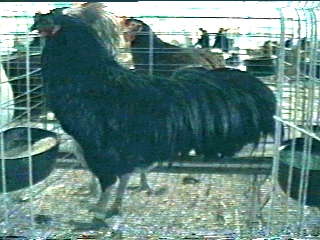
Black Sumatra Cockerel
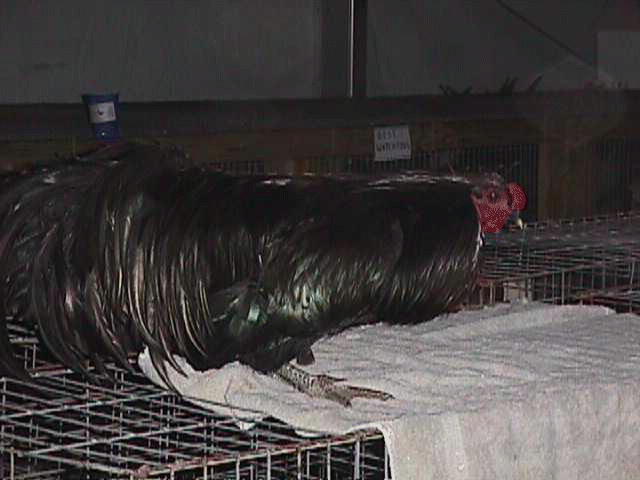
Black Sumatra Cock