Yokohama: Sheer Poultry Elegance
If one phrase could summarize the first impression of a Yokohama chicken, it is "sheer elegance." Characterized by striking, regal plumage and exceptionally long tail feathers, the Yokohama stands as a crowning achievement of 19th-century ornamental breeding. Though its ancestors originated in Japan, the modern Yokohama is a German creation, refined over generations into a dramatic exhibition bird resembling a wild pheasant.
Origins and History
The history of the Yokohama is deeply intertwined with the opening of Japanese borders to global commerce. During almost the entirety of the Edo period (1639 to 1854), Japan was effectively closed to foreign trade. Following the Convention of Kanagawa in 1854, five specialized trading ports were constructed, including the port city of Yokohama, which officially opened in 1859.
- The Port Name: In 1864, French missionaries exported unusual, traditional Japanese long-tailed chickens (known in Japan as "Jitori" or "Minohiki") to the Zoological Garden of Acclimatization in Paris. Rather than utilizing their native Japanese titles, Europeans named the birds Yokohama after their port of origin.
- The German Connection: Within a few years, these birds made their way to Germany. Hugo du Roi, the first president of the German National Poultry Association, began selectively breeding them in the 1880s.
- Injecting New Blood: Early European breeders faced a critically small genetic pool. In 1869, a Mr. Prosche from Dresden obtained a trio from Paris and attempted two subsequent direct imports from Japan, but only the males survived the sea voyages. Similarly, in 1902, famed German author Bruno Düringen imported another flock from Japan, but again, only the roosters survived. Out of sheer necessity, breeders crossed the surviving stock with Malay, Phoenix, common game fowl, and later, Sumatra chickens to reinvigorate and preserve the breed.
- Conservation and Status: Breeders worked meticulously to standardize the bird, establishing a Yokohama breeders' club in the United Kingdom in 1904. A bantam variant was later created in Germany by crossing full-sized Yokohamas with appropriately colored bantams of other breeds. Today, the breed is listed as threatened by the Livestock Conservancy.
Physical Characteristics and Structural Quirks
The Yokohama is a small-statured, slender chicken adorned with a brilliant luster. Structurally, it closely resembles the Sumatra chicken, though it boasts far longer saddle, sickle, and tail feathers.
- The Head: They have orange-red eyes, yellow beaks, small red ear lobes and their wattles are incredibly small or entirely missing.
- The Phenomenal Tail: Yokohamas are famous for their long, trailing saddle feathers and sickle feathers that frequently drag the ground. In Japan, their ancestors were rumored to produce tails reaching up to 27 feet; in modern Western breeding, tails of 3 to 4 feet are regularly produced, with a rooster's tail capable of growing at a rate of 3 feet per year.
- Standard Weights:
- Cock (Adult Rooster): 4.5 to 5.25 lbs, with some exhibition records citing up to 6 lbs.
- Hen (Adult Female): 3 to 3.5 lbs
- Cockerel (Young Male): ~4 lbs
- Pullet (Young Female): ~3 lbs
- Skin: White Skin.
- Comb and Wattles: Yokohamas feature an distinctive walnut or pea comb (in direct contrast to the very similar Phoenix breed, which features a single comb).
- Legs and Feet: Yokohamas have yellow legs and feet.
Regional Color Discrepancies
The brilliant, pure-white background color seen in Yokohamas is dictated by genes for dominant white. The American Poultry Association (APA) officially admitted the Yokohama in 1981 in just two recognized varieties:
- White: Solid, pure-white plumage.
- Red Shouldered: A beautiful pattern resulting from the incomplete dominance of white-to-red genes. It features a brilliant white body accented by rich red across the back and shoulders, and a white-flecked red breast. Until 1922, an ancestral version of this pattern existed in Japanese Minohikis, but they are now extinct in Japan, leaving the Yokohama as its sole global representative.
Temperament and Rooster Aggressiveness
- Rooster Aggressiveness: Yokohama roosters are not considered aggressive toward humans. They are generally described as docile, calm, friendly, and easy to tame, often making curious and interactive pets if handled from a young age.
- Intra-Flock Aggression: While peaceful with humans, they can be "spazzy" and assertive within their own flocks. Yokohama roosters can be highly aggressive toward each other, meaning caution must be exercised if housing multiple males together. Furthermore, because of their assertive nature, they are poor choices to mix with timid, low-ranking chicken breeds.
Egg Production and Maturity
- Time Until First Egg: As a slow-maturing heritage breed, a Yokohama pullet takes longer to mature than standard production birds. They typically delay laying their first egg until around 28 weeks (7 months) of age.
- Annual Egg Production: A standard hen will only produce between 60 to 100 small, cream or lightly tinted eggs per year (averaging a light 40 grams each), equating to roughly 1 to 2 eggs per week.
- Intense Broodiness: Their low egg count is exacerbated by an incredibly strong broody instinct. A Yokohama hen will frequently go broody after laying a clutch of just 12 to 14 eggs. Once broody, they cease laying entirely and will dramatically decrease their own food and water intake in a fiercely dedicated attempt to hatch their clutch. Despite being poor layers, they are celebrated as excellent mothers.
- Chick Care: While Yokohama chicks are naturally hardy, they require specialized, high-protein feed during their development to support the immense energy required to grow their massive ornamental tail feathers.
Lifespan and Specialized Care Requirements
- Lifespan: A healthy Yokohama chicken typically enjoys a lifespan of 5 to 8 years. Because they are managed as cherished exhibition birds rather than spent commercial poultry, they frequently reach the maximum end of this life expectancy if given meticulous husbandry.
- Climate Sensitivity: These birds heavily prefer warm weather and have a low tolerance for cold. To protect their health and secure their full lifespan, a well-insulated, draft-free, and secure coop is an absolute necessity during the winter months.
- Space and High Roosts: Yokohamas thrive beautifully on large estates where they have a great deal of freedom to roam and forage. They tolerate confinement perfectly well, but their environments must be highly customized. Because their long tails will break or become ruined if dragged through muck, their coops must feature exceptionally clean conditions and very high perches designed to keep their sweeping plumage off the floor.
Yokohamas represent a fascinating blend of history, unique physical traits, and demanding care requirements. As exquisite exhibition birds, they demand a specialized environment and attentive husbandry to ensure their long, beautiful tails and vibrant plumage are maintained. Providing warm climates, ample space, and specialized nutrition are essential steps for caring for these elegant and unique fowl.
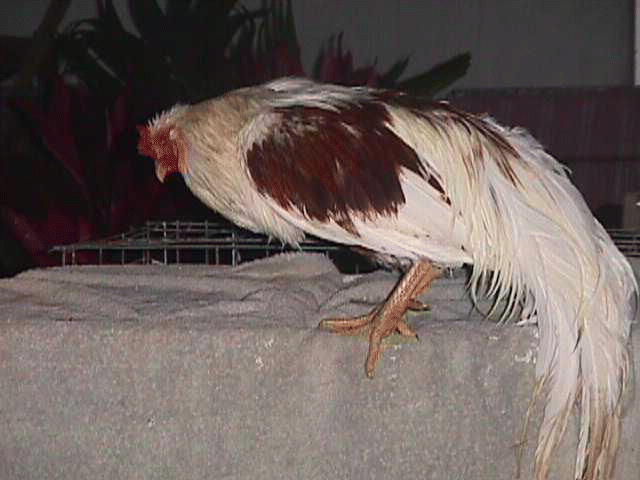
Yokohama Cock
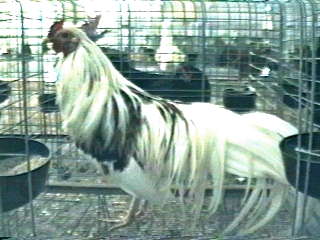
Yokohama Cockerel
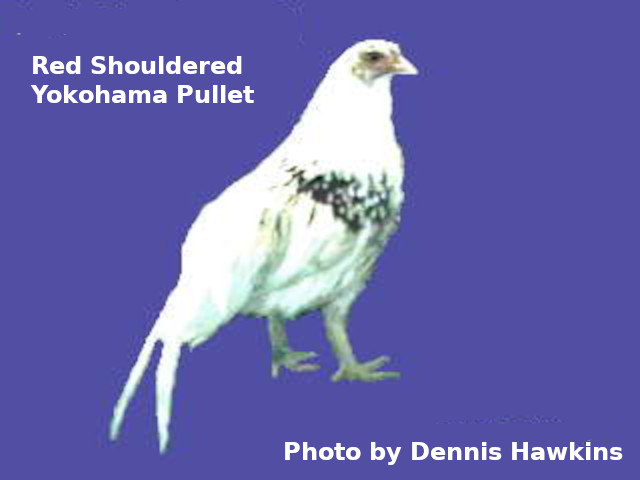
Red shouldered Yokohama Pullet
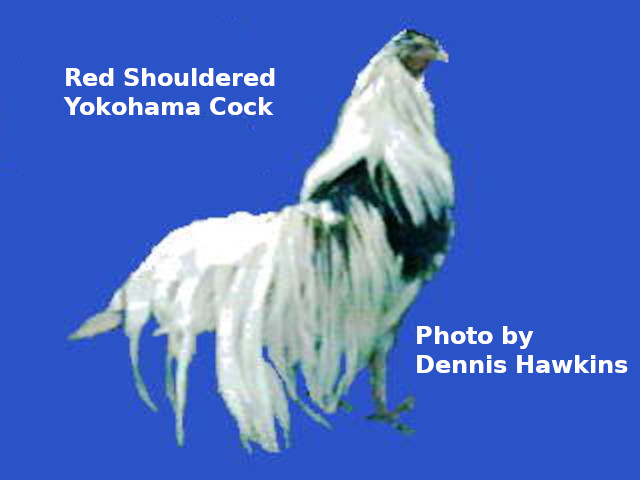
Red Shouldered Yokohama Cock