Egyptian Fayoumi: The Chicken of the Nile
The Egyptian Fayoumi — historically known in its native Egypt as the Bigawi or Bigawe — is an ancient, athletic indigenous breed renowned for its striking plumage, rapid maturation, and unparalleled survival instincts. Thriving along the Nile River valley for centuries, this lightweight, high-energy fowl is a marvel of evolutionary endurance. For modern poultry keepers seeking a highly self-sufficient, predator-savvy, and heat-tolerant layer, the Fayoumi offers a unique window into the history of domestic poultry.
History and Origins
The Fayoumi is widely believed to be one of the oldest continuous chicken breeds in existence. It originates from — and is officially named after — the Fayoum Governorate, a fertile oasis region lying southwest of Cairo and west of the Nile River. Having adapted for centuries in the harsh, hot Egyptian climate, the breed naturally developed a robust constitution and refined survival traits rather than being shaped by intensive human breeding programs.
Introduction to the West and Genetic Significance
Despite its ancient history and prevalence in Egypt, the Fayoumi remains relatively rare and virtually unknown to mainstream backyard poultry keepers in Western countries.
- The American Journey (1940s): The breed first crossed the Atlantic in the 1940s, when a dean of agriculture from Iowa State University imported Fayoumi eggs from Egypt to the United States. The resulting birds were integrated into university poultry departments for specialized genetic and pathological studies. Researchers hypothesized that these Indigenous Egyptian birds possessed a significantly higher natural resistance to devastating bacterial and viral infections than highly selective American commercial stock.
- The British Introduction (1984): The Fayoumi made its official debut in the United Kingdom in 1984, where poultry enthusiasts established formal standards for its distinct color patterns.
- Acceptance: The Egyptian Fayoumi has NOT been admitted into the American Poultry Association (APA) Standard of Perfection.
Trivia
Fayoumi baby chicks are extraordinarily distinct and highly colored. Unlike standard yellow chicks, they hatch with intricate brown, black, and white striped markings down their backs, topped off with a unique brownish-purple head color. Furthermore, their genetic plumage patterns show a striking structural similarity to the ancient Belgian Braekel breed.
Physical Characteristics and Identification
The Egyptian Fayoumi is a small, tightly feathered, and incredibly athletic bird. Its carriage is proud and upright, featuring a high, nearly vertical tail that gives it an alert, game-like silhouette.
- Plumage and Coloration: The most widely recognized variety is the Silver-Pencilled Fayoumi. These birds boast a striking contrast, featuring crisp, silvery-white hackles (neck feathers) transitioning into a body covered in distinct white bars over a solid black background. In regions like the UK, a Gold-Pencilled variety is also officially recognized.
- Head and Face: They possess a medium-sized, bright red single comb adorned with clean, even serrations. The face, smooth wattles, and smooth earlobes are all a matching vibrant, deep red.
- Eyes and Beak: The eyes are a deep, dark brown, giving the bird a sharp, intense gaze. The beak is stout and horn-colored.
- Skin and Legs: The skin of the Fayoumi is purely white. Its clean, unfeathered legs and feet are typically dark slate-blue or gray, though they can sometimes lean toward a distinct willow-green color. The toenails are horn-colored.
Breed Weights and Sizes
The Fayoumi is a streamlined, lightweight breed designed for swift movement and agility rather than meat yield.
- Standard Rooster (Cock): Weighs approximately 4.5 lbs.
- Standard Hen: Weighs approximately 3.5 lbs.
Growth, Egg Production, and Lifespan
If there is one trait that defines the Fayoumi, it is its astonishingly rapid rate of development. No other chicken breed matures quite as quickly as this Egyptian native.
- Precocious Development: Fayoumi cockerels (young males) will reliably begin practicing their first crows at an unbelievable 5 to 6 weeks of age.
- Time Until First Egg: Pullets are exceptionally fast to mature, routinely dropping their first eggs between 4 to 4.5 months (16 to 20 weeks) of age.
- Annual Egg Yield: A healthy Fayoumi hen will produce an average of 150 to 200 eggs per year.
- Egg Quality: The eggs are characteristically small in size with a shell color that ranges from tinted off-white to a light cream.
- Broodiness Habits: As pullets in their first year, Fayoumis are highly focused on production and are not given to broodiness, ensuring a steady, consistent year-round egg supply. However, once they reach two or three years of age, their natural instincts can shift, and they may become intensely broody mothers.
- Lifespan: Backed by centuries of rustic genetic health, the Fayoumi has a typical lifespan of 5 to 8 years. Under optimal backyard conditions with high-quality care, exceptionally healthy individuals are known to reach up to 10 years of age.
Checking For Laying Readiness
Because Fayoumis mature so rapidly, you can track when a young pullet is on the absolute verge of laying using two physical signs:
- Comb and Wattle Expansion: Her headgear will rapidly swell and turn from a dull pink to a deep, radiant, and glossy red.
- Pelvic Bone Expansion: Gently feel the pelvic bones located just below the vent on both sides. If the gap has widened enough to comfortably accommodate three to four fingers, her pelvic structure has opened, and her first egg is imminent.
Temperament and Behavioral Traits
The Fayoumi is a primitive indigenous bird, meaning its personality is defined by wild, independent survival traits rather than domestic docility. They are highly active, constantly in motion, and notoriously flighty or nervous around humans.
- Predator and Threat Avoidance: Thanks to their hyper-alert nature, intense awareness, and incredible flying abilities, Fayoumis are legendary for their ability to evade aerial and ground predators. If threatened, they will easily take flight to escape.
- Elite Free-Rangers: These birds are supreme foragers that thrive almost exclusively under free-range management. They actively despise close confinement and will become highly stressed if cooped up in small runs.
- Climate Adaptability: Having adapted to the hot desert climates of the Middle East, they are highly heat-tolerant and handle intensely hot, sunny weather with ease, though they remain remarkably hardy against common poultry ailments across the board.
Rooster Temperament and Flock Management
Fayoumi roosters are intensely energetic, highly territorial, and naturally predisposed to fierce behavioral aggression. Within poultry science, they frequently score much higher for social tension and raw fighting instincts than more docile, domesticated breeds.
Because they retain the raw, ancient instincts of flock protection, a Fayoumi rooster is highly reactive to perceived threats. He can easily be triggered into a defensive or aggressive posture by sudden human movements, direct eye contact, or an unannounced encroachment into his physical territory. These aggressive patterns usually peak when the young cockerel hits hormonal maturity around 16 to 20 weeks of age, and will spike annually during the spring mating season.
Management Strategies for Aggression
While completely taming a Fayoumi rooster into a cuddly pet is highly unlikely due to his wild heritage, you can establish structural boundaries and maintain safety using the following methods:
- Assert Your Alpha Status: Never back away, run, or turn your back when a rooster approaches or challenges you. Standing your ground firmly disorients him. If he aggressively advances or pecks at your footwear, immediately pick him up safely, hold his wings firmly against his body until his muscles completely relax, and calmly carry him around for a few moments before setting him down away from his hens.
- Early and Consistent Handling: If you are raising Fayoumis from day-old chicks, regular hand-feeding, gentle holding, and calm contact can help desensitize them to your presence and mitigate their natural distrust of humans.
- Move Deliberately: Always maintain calm, predictable body language when entering the coop area. Quick, erratic movements will startle a flighty Fayoumi, triggering either a panicked flight response or an immediate defensive attack.
- Humane Deterrents: If a rooster routinely attempts to spur or charge your legs, many poultry keepers utilize a gentle, non-harmful deterrent spray bottle containing a mixture of 1/3 cup white vinegar and 3/4 cup water directed at his face to break his aggressive focus.
- Strict Flock Rules: Because Fayoumi males are highly agonistic and prone to severe territorial fighting, attempting to keep multiple roosters together in a standard or confined coop setup is rarely successful. If a particular rooster becomes a genuine danger to children or severely harasses and injures his hens, humanely rehoming him to an expansive farm environment or culling him is the safest option for the overall welfare of your flock.
The Egyptian Fayoumi chicken stands as a living testament to poultry history, balancing its rich indigenous heritage with unmatched resilience. By choosing to raise this vulnerable breed, modern homesteaders gain not only a highly efficient, predator-savvy egg producer, but also a valuable partner in genetic conservation. Preserving the Bigawi ensures that its remarkable climate resilience and ancient bloodline continue to enrich the global poultry community for generations to come.
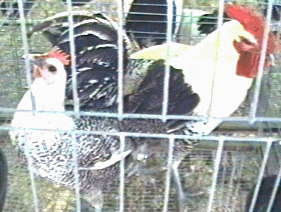
Egyptian Fayoumi Pair
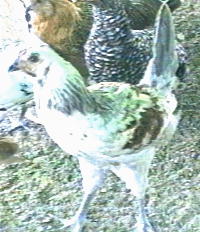
Egyptian Fayoumi Pullet
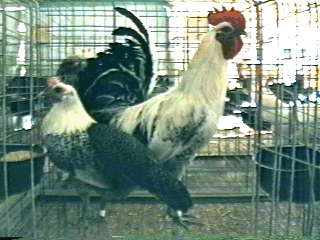
Egyptian Fayoumi Pair