Indian Giant: Brazil’s Giant Heritage
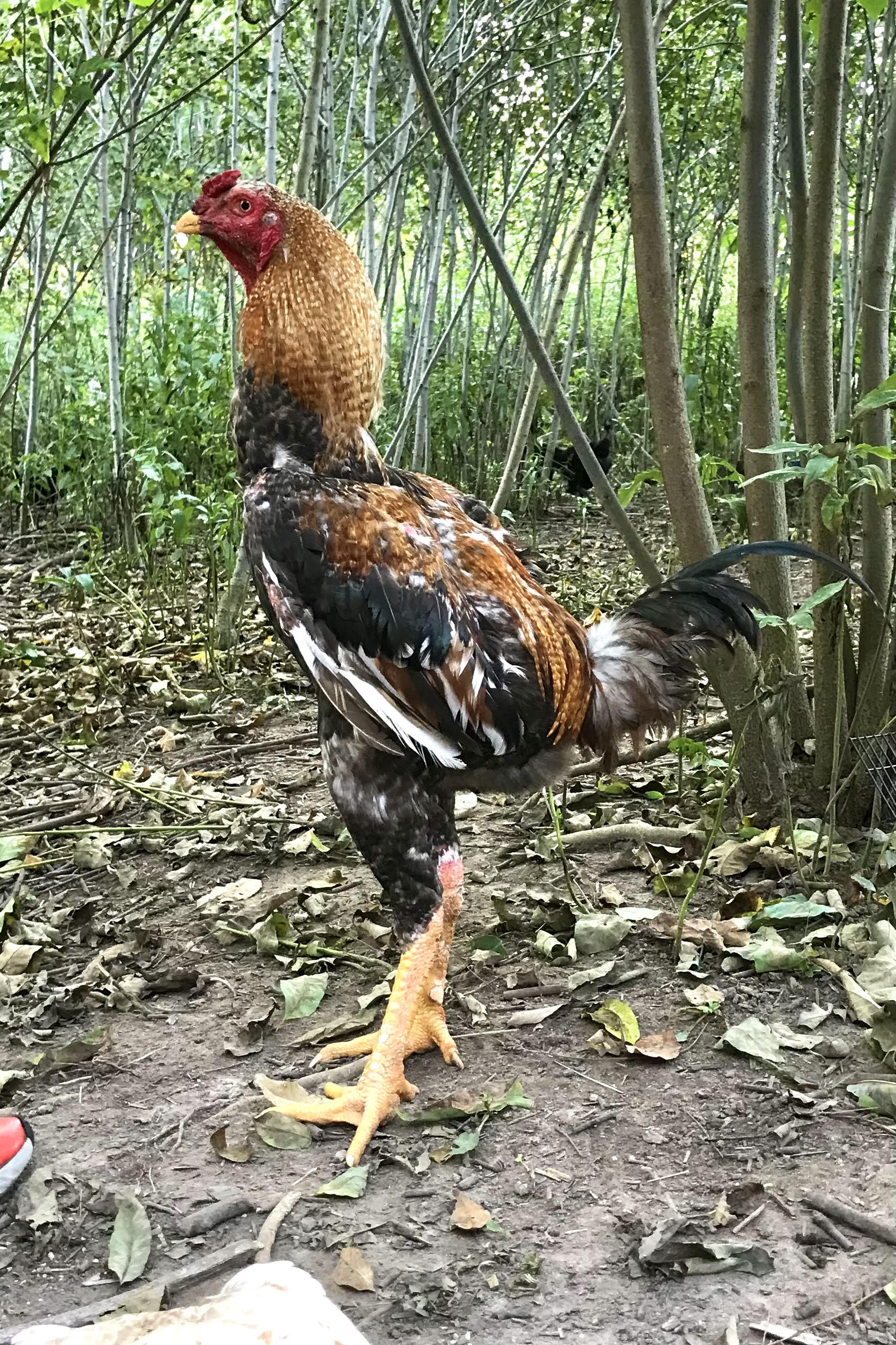
The Indian Giant chicken, known natively as the Índio Gigante, is a domestic breed originally developed in Brazil. Renowned worldwide for its structural proportions, it is widely recognized as one of the tallest chicken breeds on the planet, holding the definitive title for the world’s tallest chicken. Combining a imposing physical presence with a largely calm demeanor, this striking breed has captured the fascination of poultry enthusiast communities across the globe.
History and Origins
The Indian Giant breed was first established around the late 1980s or early 1990s in the Brazilian states of Minas Gerais and Goiás. Breeders successfully created this magnificent indigenous breed by selectively crossbreeding large, towering "Malayoid" gamecocks—specifically utilizing ancestral breeds like the Shamo and the Malay — with Hillbilly chickens, which are rustic, mixed-breed domestic fowl native to Brazil.
Recognition and Naming
The name Índio Gigante literally translates from Portuguese to "Indian Giant". In Brazil, the term Índio is used to reference American Indian Brazilians and their rich cultural heritage.
Today, the breed is systematically governed by its own national association, the Brazilian Association of Indian Giant Breeders (ABRACIG), which manages the structural breed standard and oversees continuing genetic refinement. Backed by structured breeding initiatives, ABRACIG aims for the Indian Giant to secure official national recognition as the very first pure breed of chicken to ever originate from Brazil.
Physical Characteristics: Deciphering the Tallest Fowl
The defining hallmark of the Indian Giant is its towering height and elongated silhouette. Roosters can easily exceed 36 to 40+ inches in total length when measured from the tip of the beak all the way to the middle toe. Because of this extreme vertical reach, experienced poultry keepers frequently elevate their feeding and watering stations to support the birds' posture and prevent neck strain.
- Skin Color: The standard breed displays a distinct, bright yellow skin color.
- Head & Beak: They possess an elongated head shape with a stout beak.
- Comb & Headgear: They typically sport a red pea, walnut, or ball comb (which can present as a high or low profile), accompanied by small, red wattles and bright red earlobes.
- Legs & Feet: The shanks and toes are robust, completely clean-legged (free of any feathering), and characteristically bright yellow. In standard types, displaying green or dark legs is considered an official breed disqualification.
Breed Weight Standards
The Indian Giant carries an immense frame supported by a heavy bone structure.
- Rooster (Cock): Weighs a minimum of 9.9 lbs.
- Hen: Weighs a minimum of 6.6 lbs.
Unique Structural Varieties
Driven by a diverse genetic foundation, multiple distinct sub-varieties have officially emerged within the Indian Giant breed:
- Indian Giant Vulture: A melanistic variant that differs drastically from the standard by exhibiting entirely solid black feathers, alongside a black face, legs, comb, skin, and wattles.
- Polish Giant: This variety deviates from standard presentation by featuring a naturally bare, featherless neck.
- Fighting Giant: Noted for an exceptionally short beak structure, which gives the chicken's head a distinctly "round" appearance.
Egg Production and Maturation
Due to their extreme skeletal dimensions, Indian Giants require significantly more time to reach full physical maturity than standard utility poultry, often taking 18 to 24 months to completely fill out their massive frames. Despite their roots in gamefowl ancestry, the hens are productive layers.
- Time Until First Egg: Pullets typically begin laying at 6 to 8 months (24 to 32 weeks) of age. Depending on individual nutrition and specific lines, full maturity can occasionally push the first egg back to 9 or 10 months.
- Annual Egg Yield: Production varies based on genetic strain; hens will reliably produce between 150 to 250 eggs per year, frequently outputting 4 to 6 eggs per week.
- Egg Size: Eggs range comfortably from medium to large sizes.
- Egg Color Diversity: Because the breed was built upon indigenous Brazilian hillbilly crossbreeds, egg shell colors are highly variable and vary from bird to bird. While light brown, tan, and beige tints are the most common, a single flock can yield a spectrum of white, beige, tan, red, blue, or green eggs. Some shells may also display attractive speckling.
Lifespan, Diet, and Specialized Care
The Indian Giant chicken has a typical lifespan of 5 to 8 years. However, when managed in a secure, predator-free environment with premium maintenance, these birds are known to reach 10 to 12 years of age.
Special Environmental and Dietary Needs
Achieving a long lifespan requires specialized management tailored directly to their extreme growth period:
- Dietary Precision: Because they undergo rapid bone and muscle development over a prolonged 24-month period, they demand a highly specialized, top-quality diet. Maintaining a precise protein-to-calcium balance is vital to support heavy skeletal formation.
- Skeletal Care: Leg and joint health are the most critical metrics when monitoring the long-term well-being of this breed. Heavy weight combined with extreme height makes them highly susceptible to structural issues if they are forced to jump from high roosts or are kept in cramped quarters.
- Housing Dimensions: Standard coops will not suffice; these birds require tall, expansive housing setups with wide entryways and low, reinforced roosting bars to avoid joint impact injuries.
Rooster Temperament and Aggression Management
Despite originating directly from powerful, aggressive Asian gamefowl bloodlines like the Shamo and Malay, the Indian Giant is uniquely famous for its overall docility and remarkably calm, gentle disposition. They are generally stable, easygoing, and pleasant birds to keep around the yard.
⚠️ CAUTION: MASSIVE SIZE FACTOR
Even a docile 10-lb rooster can inflict significant harm purely through its raw physical dimensions if startled.
However, keepers must never forget that roosters possess highly evolved protective instincts and are fundamentally territorial animals. If a mature rooster perceives a threat to his hens, he can pivot into aggressive behavior toward humans.
Because of their immense height and heavy weight class, an attack from an Indian Giant rooster is substantially more dangerous than one from a standard breed. Their charges, powerful pecks, and long, sharp spurs are fully capable of inflicting significant bodily injury. Keepers should always handle mature males with deliberate, calm body language, avoid crowding them in tight spaces, and ensure children are monitored around full-grown roosters to maintain safety.
Conclusion
The Indian Giant chicken stands as a true marvel of modern poultry breeding, combining a towering, ancient gamefowl silhouette with an adaptable, productive nature. While their massive size demands specialized considerations for housing, diet, and joint care, their calm disposition and colorful egg-laying capabilities make them an exceptionally rewarding addition. By continuing to support and breed the Indian Giant, poultry keepers contribute to a spectacular legacy of Brazilian agricultural innovation.