Vorwerk: History, Characteristics, and Care
The Vorwerk (German: Vorwerkhuhn, pronounced [ˈfoːɐvɛʁkˌhuːn]) is a rare, beautiful, and rugged heritage chicken breed originating from Germany. Developed as a highly productive utility bird, it is prized for its striking two-tone plumage, economical upkeep, and dual-purpose capabilities.
History and Origins
Oskar Vorwerk's Vision
In 1900, a German poultry breeder named Oskar Vorwerk set out to create a medium-sized, utilitarian fowl. His goal was a bird that was highly productive for both the table and the egg basket, possessed an economical appetite, and featured a distinct, elegant appearance.
Vorwerk utilized several breeds to achieve his vision:
- Lakenvelder (for the distinctive belted plumage pattern)
- Buff Orpington
- Buff Sussex
- Andalusian
By 1913, the breed was officially standardized. However, despite its remarkable qualities, the Vorwerk never achieved widespread global popularity and remains rare today, primarily found in Continental Europe.
💡 Vorwerk Trivia
- The Appliance Coincidence: The Vorwerk chicken is the only chicken breed in the world to share its name with a household appliance brand (the German company that produces Vorwerk vacuum cleaners). The two are entirely unrelated!
- The "Golden Lakenvelder" Misnomer: Due to their similar color patterns, the Vorwerk is sometimes incorrectly called the "Golden Lakenvelder" (especially in North America). However, the Golden Lakenvelder is a separate plumage variety of an entirely different, older breed. The Vorwerk is fundamentally distinct in its history, body conformation, temperament, and production.
Distinguishing Characteristics & Appearance
The Vorwerk possesses a unique combination of traits that make it easily distinguishable from other breeds:
| Physical Feature | Standard Large Fowl Trait |
|---|---|
| Plumage Pattern | Distinctive black-and-gold belted pattern. The head, neck (hackles), and tail are solid black. The main body and wings are a deep golden-buff. Standard perfection calls for no black spotting in the buff areas, though this is difficult to achieve in breeding. |
| Underfluff | Slate grey. |
| Skin Color | White. |
| Comb | Single, bright red ridge comb. |
| Earlobes | Distinctively white. |
| Legs & Feet | Clean (no feathers), slate-blue or grayish-blue. |
Weights and Sizes
Weight standards vary slightly between regions and sizes:
- Standard Large Fowl Male (Rooster): 5.5 to 7.0 lbs
- Standard Large Fowl Female (Hen): 4.5 to 5.5 lbs
Behavior, Temperament, and Flock Dynamics
Adult Behavior
Vorwerks are active and alert birds. While they are energetic and love to forage, they are friendly, easy to handle, and not overly flighty. They tolerate confinement well in a coop but thrive moderately well in a free-range environment where they can satisfy their natural drive to forage.
Rooster Aggressiveness
As they mature, Vorwerk roosters can become aggressive and territorial over their flock. This aggression is an innate, protective drive to safeguard their hens. It is often triggered by sudden movements, backing down from the rooster, or entering their territory without confidence. Handling human-aggressive roosters requires firm consistency and establishing yourself as the dominant member of the flock.
Flock Integration and Ratios
Vorwerks do excellently with a standard rooster-to-hen ratio of 1:10. Integrating new birds into a Vorwerk flock is generally straightforward; they will engage in moderate fighting to re-establish the pecking order but quickly settle down to coexist peacefully.
Production Capabilities
The Vorwerk is a true dual-purpose breed, valued for both its steady egg laying and its quality meat.
Egg Production
- Time until first egg: Pullets typically begin laying between 20 to 24 weeks (5 to 6 months) of age. Spring pullets may mature slightly faster than winter pullets due to daylight differences.
- Annual Output: Once in full production, a healthy Vorwerk hen lays between 150 to 250 eggs per year (averaging 160–200 across sources). Their highest volume is produced in the first 2 to 3 years.
- Egg Characteristics: Medium-sized, tinted, or cream-colored. First eggs will start small but reach normal size after a few weeks.
- Broodiness: Vorwerk hens rarely to never go broody. Because they do not frequently sit on clutches, they are highly consistent year-round layers. If you wish to hatch their eggs, a high-quality incubator is highly recommended.
Meat Production
As a table breed, Vorwerks offer an efficient, lower feed-to-muscle conversion rate compared to many other heritage table breeds, making them an incredibly economical option for meat production.
Environmental Hardiness, Lifespan, and Health
Lifespan
Vorwerk chickens have an average lifespan of 7 to 10 years when provided with a secure environment, a nutritious diet, and proper preventative care against common parasites. They are considered seniors after age 4; while their egg production will gradually decline, they remain active, alert, and valuable flock members for several more years.
Climate Tolerance
This breed is remarkably hardy and adaptable:
- Heat & Cold: They easily handle hot summer temperatures (such as those in Florida) as well as freezing winter conditions.
- Winter Care: Because they sport large single combs, there is a risk of frostbite in extreme cold. Precautions should be taken to protect their combs in freezing environments.
Health Considerations
Vorwerks have a lower natural immunity to Marek's disease than some other breeds. It is highly recommended that day-old chicks be vaccinated against the virus to ensure their long-term survival.
Incubation Guide
If you are breeding Vorwerks, keep the following parameters in mind for hatching eggs:
- Incubation Parameters: Maintain your incubator at 99.5°F and 55% humidity.
- Lockdown & Hatching: Move eggs to the hatcher for lockdown on day 18. They typically hatch reliably on time on Day 21, boasting an approximate 90% hatch rate from the hatcher, though a few chicks may hatch 1 to 2 days late.
Ultimately, the Vorwerk chicken stands out as an exceptional choice for keepers seeking a striking, economical, and highly productive heritage breed. Their unique black-and-gold appearance, combined with an outstanding ability to forage and adapt to diverse climates, ensures they are as functional as they are beautiful. By understanding their active nature, territorial roosters, and specific health needs, poultry enthusiasts can successfully preserve and enjoy this remarkable German treasure for years to come.
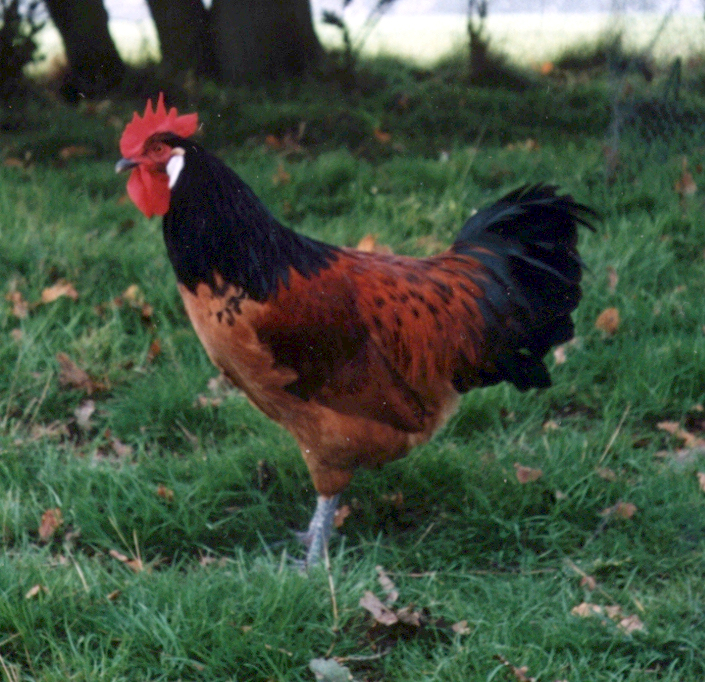
Vorwerk Cock